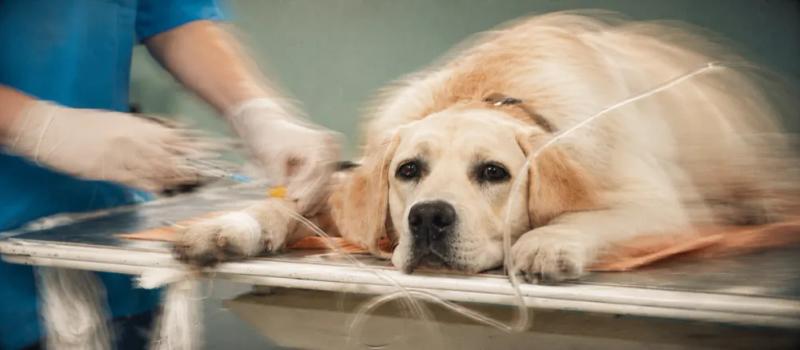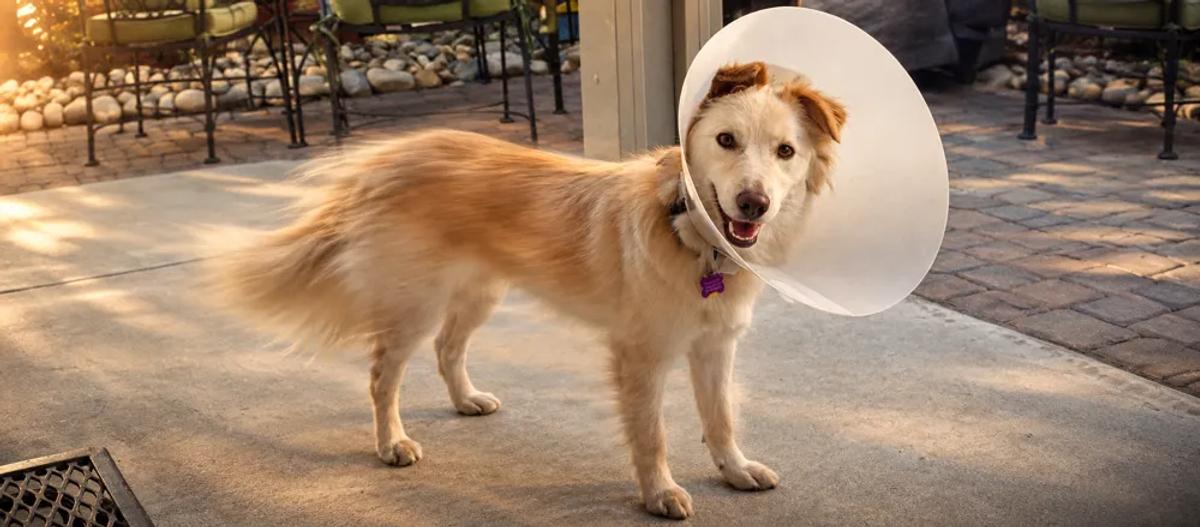
Spaying a dog means removing her ovaries, sometimes together with uterine tissue. Removing only the ovaries is called ovariectomy; removal of the ovaries and uterus is called ovariohysterectomy. The exact procedure and its timing should be discussed for the individual dog.
Our guide to spaying and neutering explained covers the broader terminology, including operations that preserve the gonads. Knowing which organs will be removed helps you understand the recommendation and the care planned around it.
What is removed during a spay
The word spay does not always mean that the entire uterus is removed. The ovaries may be removed alone, or the operation may include uterine tissue. Both approaches remove the ovaries. Ask the vet to name the planned procedure and explain which organs it involves, rather than assuming the everyday word gives the whole description.
Ovariectomy is the term for ovary removal. Ovariohysterectomy includes removal of the uterus as well. The names describe the organs involved. Choosing between procedures requires a clinical assessment. The vet should explain why the proposed approach fits your dog.
Hysterectomy is different because it preserves the ovaries while removing the uterus. A female dog can still show behavioural heat and attract male dogs after this hormone-preserving operation. It should not be described as having the same hormonal effects as removal of the ovaries.
Two dogs described as sterilized may have had procedures with different effects on gonadal hormones. Ask which operation was performed. Keep its medical name in the record even if you use a simpler word in conversation.
Male-dog surgery involves different organs. If you are comparing care for pets of both sexes, the guide to neutering a male dog covers the male procedure separately.
Heat cycles and reproductive health
Removing the ovaries prevents the hormonal heat cycle and pregnancy. That is an important distinction from a procedure that retains the ovaries. The reproductive goal and the effect on hormones should both be clear before you agree to an operation.
Spaying also has reproductive-health benefits, including prevention of uterine disease in the appropriate clinical context. The relationship involves more than whether the uterus is physically present. Ovarian hormones affect the uterus, which is why ovary removal alone can provide protection against the usual process involved in pyometra, a uterine infection.
That protection should not be turned into an absolute statement that uterine disease is impossible in every circumstance. Remaining ovarian tissue or an external source of reproductive hormones can change the situation. If the uterus is being left in place, ask the vet to explain how the operation addresses reproductive health for your dog.
It helps to distinguish a reproductive benefit from the entire decision. Preventing pregnancy or addressing a reproductive-health concern can be an important reason for surgery, while the timing still needs to account for the individual animal. A single benefit does not settle every question about when the procedure should happen.
Timing and possible side effects
There is no universal spay age for all female dogs. The assessment includes breed, age, health history, body condition, lifestyle and the reason surgery is being considered. Ask how those factors influence the recommendation for your dog, especially when the advice differs from an age you have heard elsewhere.
Potential longer-term concerns include urinary incontinence in female dogs, increased overweight risk, and associations involving joint disease or certain cancers. These outcomes are not inevitable after a spay. Their relevance varies, and the discussion should reflect that variation rather than treating all female dogs as one risk group.
Urinary incontinence is one of the female-dog concerns to raise with the vet. Ask how it affects the recommendation in your dog’s case, alongside the reasons you’re considering surgery.
A 2020 study analysed existing veterinary-hospital records across different breeds, sexes and neutering ages. The records allowed researchers to compare groups, but they did not reveal why every dog had or had not been neutered. The study also covered a limited range of breeds.
Those limitations are important when looking at a breed-based timing chart. Retrospective associations do not establish an exact future outcome for one dog or provide a universal instruction for dogs in India. A vet can explain how such evidence informs the discussion alongside your dog's own history and circumstances.
Recovery after spaying
Before surgery, your vet examines your dog and plans the procedure for her needs. General anaesthesia and pain medication are part of the care plan. Both surgery and anaesthesia carry risks, and the consent conversation should explain the approach for your dog without describing it as risk-free.
Pain management begins before the operation, continues during it and extends into the period afterwards. It is a planned part of surgical care. Before discharge, ask how that care continues at home and what instructions accompany any medication the clinic prescribes.
Keep your dog calm and quiet during the early recovery period, following the clinic's directions. Ask the team to explain the plan in terms of her normal routine, rather than trying to translate a vague instruction yourself. The clinic can clarify what it expects and how it will review her recovery.
A recovery account from another pet parent can be reassuring, but it cannot set your dog's timetable. The named procedure and individual clinical plan matter. Ask for the clinic's own follow-up instructions instead of treating a general number of days as a guarantee that every dog is ready for the same activity.
Get the clinic’s preparation instructions before the appointment. At discharge, check the recovery directions and how to reach the team with questions.
At home, make the written plan available to everyone caring for her. Decide who will be present and who will follow each instruction, particularly if family members take turns. A clear handover is more useful than several people independently assembling different routines from online advice.

Longer-term care
Gonad removal is associated with an increased risk of becoming overweight. Weight gain isn’t inevitable. Review her nutrition and activity with the vet. The advice should fit her individual body condition and circumstances.
Avoid adopting a fixed reduction in food simply because someone else's dog received one. Ask how her condition will be assessed and whether her feeding or activity plan needs adjustment. The purpose is to respond to the individual dog, rather than assume all spayed dogs need the same change.
Nuzzy PetLife supports weight logs and vet-visit history. You can keep her dated weight record alongside the visit details for the next review. Retain the named operation in her medical documents so future care conversations begin with an accurate description of what was done.
Questions about dog spaying
What should I discuss about recovery after spaying a dog?
Ask how prescribed pain care continues at home and what the clinic means by a calm, quiet recovery for your dog. Clarify its follow-up plan and how to raise questions. Use those individual instructions rather than a generic recovery deadline.
What are the possible side effects of spaying a female dog?
The longer-term discussion can include urinary incontinence, weight gain, and breed- or age-related associations involving joint disease and certain cancers. These are possible concerns, not inevitable outcomes. The vet should weigh their relevance against the benefits of surgery for your dog's health and circumstances.
Sources
WSAVA (2024). Guidelines for the Control of Reproduction in Dogs and Cats: Executive Summary.
AVMA, Gonadectomy resources for veterinarians
Cornell Riney Canine Health Center, Dog estrous cycles (July 2023)