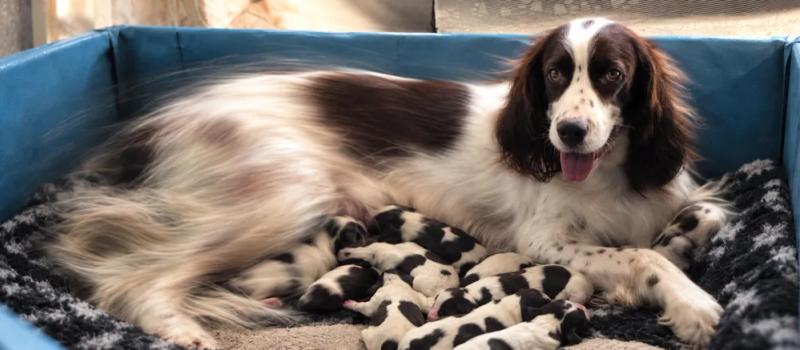
The dog pregnancy period is roughly two months, averaging about 63 days from ovulation. An observed mating date gives a less precise estimate because mating and fertilisation may occur on different days. Your vet can help assess the pregnancy and plan for birth; a general average should not become an exact deadline for your dog.
If your dog is having difficulty giving birth, or you are unsure whether labour is progressing normally, seek veterinary care immediately. You do not need to resolve the due-date calculation before asking for help.
Why mating dates and due dates differ
Mating, ovulation and fertilisation describe different events. After ovulation, a dog's eggs need to mature in the oviduct before fertilisation. Sperm can survive for several days in the female reproductive tract. Those overlapping processes mean that a mating you observed may precede fertilisation.
The familiar 63-day average is anchored to ovulation. It is not a promise that birth will take place exactly 63 days after the first mating you saw. That difference is easy to lose when dates are entered into a calendar without recording what each date represents.
Our overview of the dog reproductive cycle explains the sequence leading to pregnancy. For birth planning, the useful distinction is between a remembered mating date and an estimate based on reproductive assessment. Both can appear in the history, but they do not provide the same precision.
When ovulation information is not available, ultrasound measurements can help a vet assess gestational stage and estimate the expected time of birth. Interpretation depends on the pregnancy and the measurements. An estimate should therefore be discussed as part of the clinical picture, rather than treated as a date that remains certain regardless of later findings.
Keep the basis of the estimate beside the date. A note saying when mating was observed is different from a date supplied after a veterinary assessment. This small distinction makes later conversations easier when several people are involved in caring for the dog.
How your vet follows the pregnancy
An observed mating is not confirmation of pregnancy. If that is still the question, assessment after unintended mating is the appropriate starting point. Pregnancy confirmation and estimating when a confirmed pregnancy may end are separate tasks.
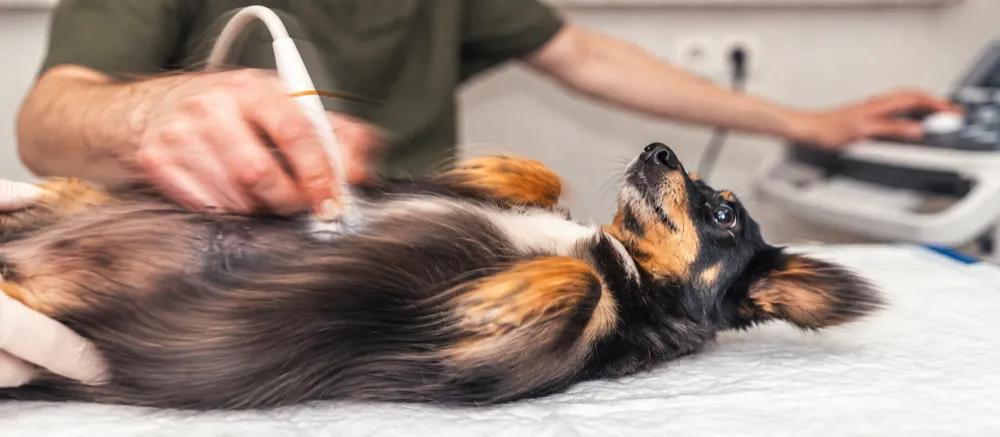
Veterinary assessment can involve a physical examination, ultrasound, relaxin testing or radiographs later in pregnancy. The method depends on the stage and the information needed. These are clinical tools, not a set of home checks that every pet parent should attempt in a fixed order.
Ultrasound can show the developing pregnancy and provide measurements used to assess gestational stage. Later radiographs can help assess the litter. A relaxin test addresses a pregnancy-associated hormone. The vet explains why a particular method is being used and what can be concluded from its result at that point.
Cycle testing has a different purpose. Vaginal cytology can help assess the reproductive stage, but it should not be used alone to time ovulation. The fact that a test is related to reproduction does not make it a pregnancy test or an exact predictor of delivery.
Early and regular veterinary consultation supports planning through pregnancy and labour. Use the appointments to understand the clinic's plan for your dog, including how to contact the team if something changes. Keep any written instructions with the visit record, especially if family members share responsibility for care.
Preparing for birth
A familiar area where the dog will not be disturbed is appropriate for delivery. Unfamiliar surroundings or strangers can interfere with the birthing process and maternal behaviour. Preparation should therefore consider the setting as well as the calendar.
Choose the area in advance and discuss any practical constraints with the clinic. A busy shared room and a space where people repeatedly come and go may be difficult to keep undisturbed. The aim is to put the advice about a familiar setting into practice in the home you actually have.
Make a simple contact plan before labour begins. Keep the clinic's number available, confirm how to seek help outside its usual hours and decide how you would travel there if needed. These are practical arrangements to discuss with the practice, not assumptions that every clinic provides the same services.
You can keep the veterinary visit history in Nuzzy PetLife. Retain the clinic's individual plan alongside the relevant medical documents so the person caring for the dog can find the instructions without reconstructing them from several conversations.
Understanding the stages of labour
Labour is described in three stages. The first involves uterine contractions and dilation of the cervix. The second involves delivery of puppies. The third involves delivery of placentas. In dogs, the puppy and placental stages can alternate rather than occurring as three entirely separate blocks.
A pet parent may notice nesting, restlessness or panting during early labour. These are possible observations, not proof that everything is progressing normally. They should be understood alongside the veterinary plan and any concerns about the dog's condition.
Knowing the stage names can help you describe events to the clinic. For example, report whether puppies have started to arrive and what has changed since the last conversation. You do not have to decide the cause of a problem before explaining what you are seeing.
Avoid making a general stage description into a waiting rule. If you believe the dog is having difficulty, or you are unsure about progress, seek veterinary care immediately. The description of normal stages is there to help recognition and communication, not to delay assessment.
When to seek veterinary help
Difficulty giving birth warrants immediate veterinary care. Uncertainty about whether things are progressing normally also warrants a call for immediate guidance and assessment. You do not need to know the technical name for the problem or be able to identify which part of labour has gone wrong.
When contacting the clinic, describe what you have observed and when, including any puppies or placentas you have seen delivered. Use the information you have rather than filling in events you may have missed. The clinical team can then direct the next steps.
After birth, discharge that develops a foul smell or increases should prompt veterinary care. Describe the change itself. A general account of another dog's recovery cannot establish whether a new concern is normal for yours, and a change deserves assessment in the context of this delivery.
Questions about dog pregnancy
How long is a dog pregnant in months?
A dog's pregnancy lasts roughly two months, averaging about 63 days from ovulation. The ovulation date matters because the date of mating may not be the date of fertilisation. This average is not an exact personal due date.
How accurate is a dog due date?
A mating date alone gives a less precise estimate because sperm survival and egg maturation can separate mating from fertilisation. Veterinary interpretation of reproductive information and ultrasound measurements can help estimate gestational stage. Discuss what an estimate is based on rather than treating every predicted date as equally precise.
How can a vet confirm pregnancy?
A vet may use examination, ultrasound, relaxin testing or later radiographs, depending on the stage and the question being assessed. The methods provide different information. An observed mating by itself does not confirm pregnancy.
Sources
Cornell Riney Canine Health Center. Dog estrous cycles (2023).
Cornell Riney Canine Health Center. The normal whelping process.
Davidson AP. Management of Reproduction in Dogs. MSD Veterinary Manual (updated June 2026).