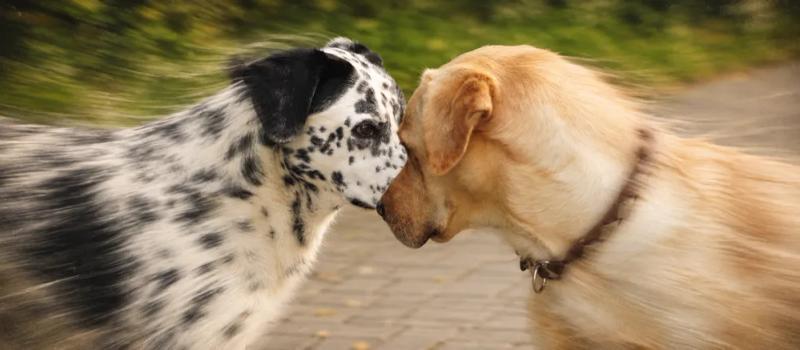
Your dog's first rabies shot is given from about twelve weeks of age, boosted a year later, then repeated on a one or three-year cycle depending on the vaccine and your city's rules. In practice, most Indian vets keep it annual. Rabies is treated as essential for every dog in India, and there is one part worth getting exactly right: what the law actually asks of you, which is less blunt than most articles claim.
Why rabies is not optional here
India carries a heavier rabies burden than anywhere else. The World Health Organization estimates the country accounts for roughly 36% of the world's human rabies deaths, and India's national rabies plan records that the disease is nearly always fatal once symptoms show, with about 96% of those deaths coming from dog bites. Rabies has been made a notifiable disease, and the government is working towards zero dog-mediated human rabies deaths by 2030.
Vaccinating your dog is the front line of that effort. A rabies shot protects the dog if it is ever bitten by an infected animal, and it protects your family and neighbours if your dog is ever the one that bites. In a country with a large free-roaming dog population, that second point is not abstract. Rabies sits alongside the core vaccines every dog needs, and the pillar guide on dog vaccination lays out the whole set.
The rabies schedule
The timing below follows the WSAVA 2024 guidelines, which Indian vets build on.
The first rabies dose is given from twelve weeks of age. A booster follows a year later. After that, rabies vaccines carry a licensed protection of either one or three years, and the booster interval follows the product and whatever local law requires.
Indian practice leans annual. Many vets here keep dogs on a yearly rabies booster rather than the three-year option, partly because of how endemic the disease is and partly because city registration renews each year against a current certificate. That is a practical call rather than a fixed national rule, so your vet's advice for your dog is what to follow.
What the law actually says
The common claim that "rabies vaccination is mandatory across India" is only half the story. No single national law orders every pet dog to be rabies-vaccinated on a fixed schedule. What exists instead sits at two levels.
At the national level, the Animal Birth Control Rules, 2023, framed under the Prevention of Cruelty to Animals Act, 1960, make immunising a pet the owner's responsibility, which is what Rule 8 spells out. What that rule does not do is fix a schedule or a penalty for pet dogs, and that gap is where the confusion starts.
The enforceable requirement is municipal. Most city corporations make you register or licence your dog, and a valid anti-rabies vaccination certificate is the document they will not waive. In Delhi, the MCD requires every dog owner to register their pet, and the registration is tied to the anti-rabies certificate and valid for a year. In Mumbai, the BMC treats keeping a dog without a licence as illegal and expects owners to vaccinate every year. Fees, forms and penalties differ by city, so the page to trust is your own municipal corporation's.
Underneath the legal detail sits the veterinary one. The WSAVA guidance is that in any country where rabies is endemic, the vaccine should be considered essential even where no law demands it, and that you follow local rules as the priority. India is firmly in that category. The guide on core versus non-core vaccines explains why rabies is treated as core here.
If a person is bitten
Rabies is a human-health emergency as much as a veterinary one, so the basics are worth knowing. If anyone is bitten, the wound should be washed with soap and running water for several minutes, and the person should get to a doctor quickly for post-exposure treatment, which works very well when started in time. The government runs a national rabies helpline on 15400. A dog that is reliably vaccinated is far less likely to be the source of that scare in the first place.
Keep the certificate somewhere you can reach it
The rabies certificate is the single most requested pet document you own. Boarding facilities insist on it, municipal registration is tied to it, and most pet travel needs it too. Keeping it on Nuzzy's PetID, on a QR code you can show in seconds, means you are never rescheduling a boarding drop-off because the card is in a drawer at home. If a society ever leans on you over your dog, the guide on responding to a society pet notice covers where that record helps.
Frequently asked questions
Is the rabies vaccine mandatory for dogs in India?
Not through one national law, but effectively yes in most cities. The Animal Birth Control Rules, 2023 make you responsible for immunising your pet, and most municipal corporations require a current anti-rabies certificate before they will register or renew your dog's licence.
How often does a dog need the rabies vaccine?
The first shot is boosted a year later, then repeated on a one or three-year cycle depending on the vaccine's licensed protection and local rules. Many Indian vets keep it annual, especially where city registration renews each year.
At what age does a puppy get its first rabies shot?
From about twelve weeks of age. It is often given alongside the core puppy vaccines. The puppy vaccination schedule sets out the timing.
Is a single rabies shot enough for life?
No. One dose is not lifelong protection. Your dog needs the one-year booster, and then ongoing boosters on the cycle your vet and your city require.
The bottom line
Rabies is the vaccine whose stakes reach past your own household, which is why India treats it as essential and why a city dog licence is built around it. Keep your dog current from that first twelve-week shot onward, on whatever booster rhythm your vet advises. And since a registration desk or a boarding facility will want to see the certificate rather than take your word for it, PetID keeps yours on a QR code you can show on the spot, with a PetLife reminder before the next dose comes due.
Sources
- India launches a national action plan for dog-mediated rabies elimination — World Health Organization.
- National Action Plan for Dog Mediated Rabies Elimination from India by 2030 (NAPRE) — Ministry of Health and Family Welfare, Government of India.
- WSAVA 2024 Guidelines for the Vaccination of Dogs and Cats — World Small Animal Veterinary Association.
- Animal Birth Control Rules, 2023 — Department of Animal Husbandry and Dairying, under the Prevention of Cruelty to Animals Act, 1960 (Animal Welfare Board of India).
- Pet Dog Registration — Municipal Corporation of Delhi.