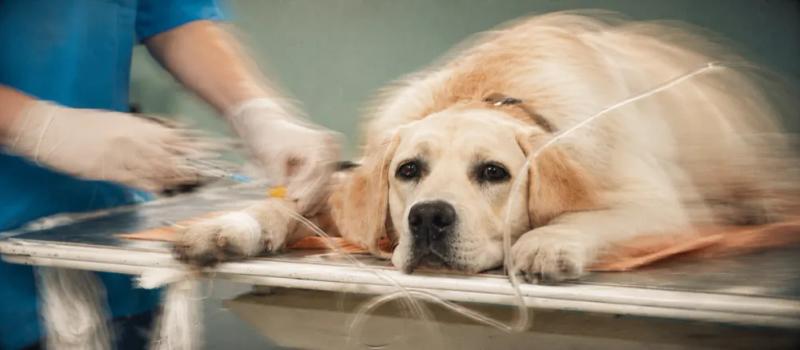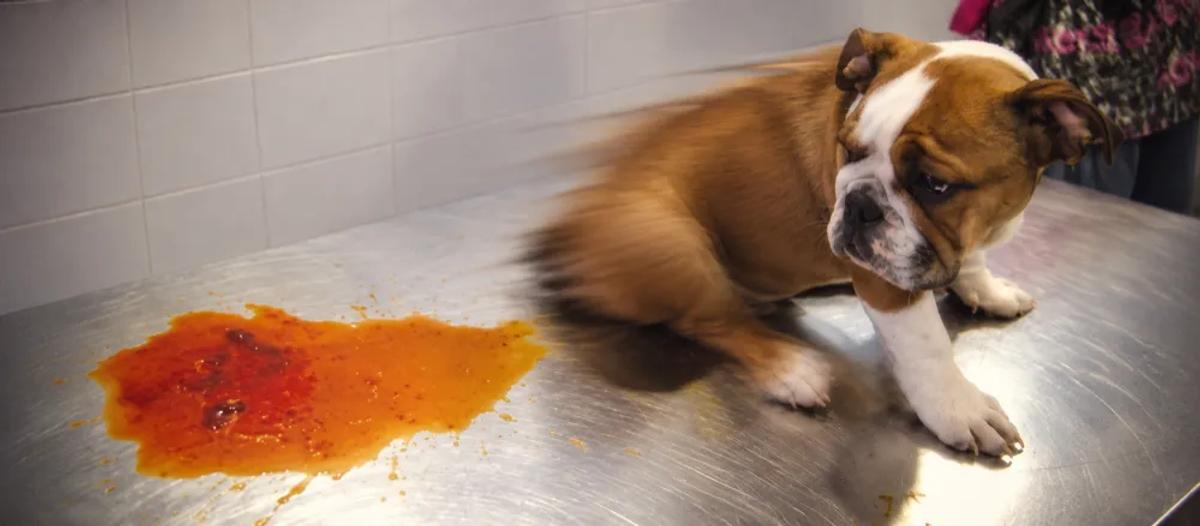
Parvovirus in dogs is a contagious viral illness that commonly causes acute gastrointestinal disease in puppies, although older dogs can also be affected. Signs can include reduced appetite or energy, vomiting and diarrhoea. A veterinarian assesses the dog's condition and may use faecal testing to investigate infection. The appearance of diarrhoea alone cannot confirm parvo.
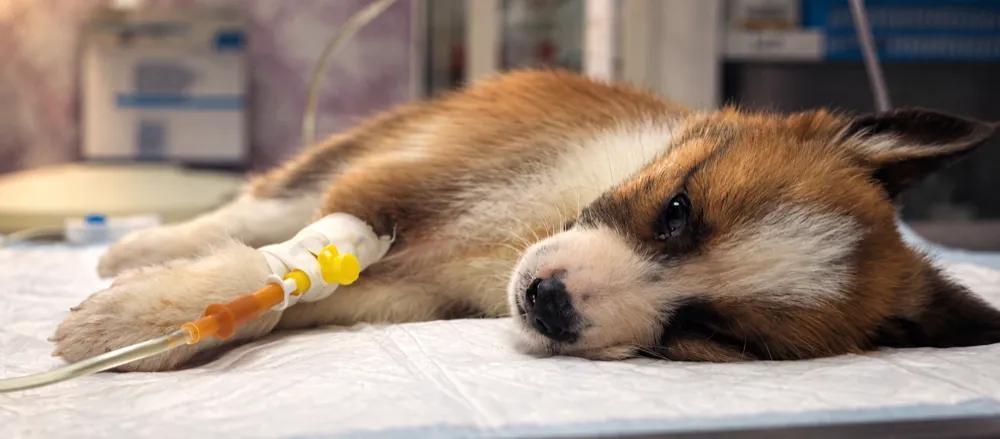
Contact a vet about concerning signs. Severe vomiting and diarrhoea can cause substantial fluid loss, so the assessment needs to consider the dog's condition as well as the suspected infection. Professional care may involve hospitalisation, fluids, nutritional support and management of symptoms. The setting and treatment depend on how sick the dog is; another dog's care plan cannot establish what yours needs.
Symptoms do not confirm parvo on their own
A loss of appetite or energy may occur alongside vomiting and diarrhoea. Bloody diarrhoea can be part of parvovirus illness, but it has other possible causes. Seeing blood is not a diagnostic result. Equally, a description of one dog's illness should not become the pattern you require your own dog to match before contacting the vet.
Describe the changes you have noticed and let the clinical assessment investigate their cause. The vet can consider the presentation alongside testing where appropriate. The question is broader than whether a symptom appears on a parvo list: it includes what is happening to the dog and which other explanations need consideration.
Distemper is one infection with overlapping signs. Our guide to distemper and overlapping signs explains why gastrointestinal changes can sit within a wider presentation. This comparison cannot identify which illness a dog has. It shows why the examination and selected tests matter.
The guide to infectious dog diseases places parvovirus alongside other infection-specific assessments. Keep the immediate discussion with the clinic centred on your dog's observed signs. You don't need to settle the disease name before asking for an assessment, and an online comparison should not become a substitute for one.
Why fluid loss matters
Severe vomiting and diarrhoea can lead to substantial fluid loss. Parvovirus illness can also involve disturbances in electrolyte balance. These effects help explain why veterinary care includes attention to the dog's hydration and clinical condition, as well as investigation of the infection itself.
Fluid support is part of professional care, with the plan determined by the dog's needs. Describing fluid loss does not tell a pet parent how much fluid to give or which route to use. Those decisions require a clinical assessment. A general explanation of dehydration cannot be converted into a treatment calculation at home.
The infection and its consequences are related questions. A test can help identify parvovirus, while the assessment of fluid loss helps establish what care the dog needs. Neither question disappears once the other has been addressed.
What veterinary tests can establish
Faecal antigen testing is commonly used to investigate parvovirus. One method is ELISA, short for enzyme-linked immunosorbent assay. It uses a stool sample to look for evidence of the virus. A vet interprets the result with the clinical presentation, rather than treating the test as a complete account of the dog's illness.
These tests are useful, but they can sometimes produce false-positive or false-negative results. The amount of virus in a sample and the timing of sampling can affect rapid detection. If the clinical picture still raises concern, further investigation may be needed. A negative rapid result should therefore be discussed with the vet who knows why the test was requested.
PCR is another method a veterinarian may use. It looks for viral DNA in a faecal sample. The choice between tests, or the decision to use more than one, belongs to the investigation of the individual case. A pet parent does not need to choose a test from a list of technical names before arranging an assessment.
What professional care can involve
Care for parvovirus involves support and management of symptoms, tailored to the dog's condition. Hospitalisation is often needed so that fluid and nutritional support can be provided. The treating veterinarian decides what is required and where it can be delivered. This is a discussion about the dog being examined, not a standard package that every case must copy.
Fluid support addresses losses associated with vomiting and diarrhoea. Nutritional support is another part of the clinical plan. The broad description does not establish what the dog should be fed at home, when feeding should begin or which products should be used. Ask the clinic to explain the instructions that apply to your dog.
The care plan may also address other consequences or symptoms of illness. It should be possible to ask what each part is intended to manage without selecting medicines yourself. A list of treatments from another case leaves out the examination and decisions behind it, even when the disease name is the same.
Reducing exposure to other dogs
Parvovirus can persist outside an infected dog. Contaminated environments therefore matter in prevention, and infected dogs need separation from other dogs. This is a reason to discuss the home environment and contact arrangements with the vet as part of the care plan, rather than focusing only on the dog's visible signs.
A cleaning product or a fixed waiting period taken from a casual recommendation does not explain the whole situation. Ask the veterinarian how to manage the areas and objects involved in your dog's care. Keep the advice specific to that setting instead of assuming that a room, garden and shared outdoor area can all be managed in the same way.
Vaccination is part of parvovirus prevention. The wider guide to dog vaccination planning explains that separate conversation. Bring the available vaccination history to the clinic and ask how it fits the prevention plan. Exposure precautions during illness and future vaccination decisions should both be clear, without borrowing another household's timetable.
Frequently asked questions
What symptoms can parvo cause?
Parvovirus can cause reduced appetite or energy, vomiting and diarrhoea, which may be bloody. Puppies are commonly affected, although illness can occur in older dogs. These signs do not confirm the diagnosis on their own. A vet assesses the clinical presentation and may use faecal testing to investigate parvovirus, while also considering the dog's need for care.
What does veterinary treatment for parvovirus involve?
Professional care can include hospitalisation, fluids, nutritional support and management of symptoms. The plan depends on the dog's condition. A description of these measures is not a home-treatment recipe or a prediction of recovery. Ask the treating clinic to explain what the dog needs, what each part of care addresses and which instructions apply outside the clinic.
Keep the records together
PetID can hold your dog's health records and veterinary documents together. Keep the clinic's reports with the care information so that a later appointment can refer to the actual findings.
Sources
- WSAVA, Principles of Wellness (2025)
- Li and colleagues, Decoding canine parvovirus: biomarkers for diagnosis and advances in vaccine development to address emerging challenges, Frontiers in Veterinary Science (2025)
- Cornell Baker Institute for Animal Health, Canine parvovirus
- Karki, Rajak and Singh, Canine morbillivirus (CDV): a review on current status, emergence and the diagnostics, VirusDisease (2022)