Dog snoring can accompany airway obstruction, especially in short-muzzled dogs, but the amount of noise cannot tell you how serious a breathing problem is. A dog snoring on its bed still needs to be considered alongside its breathing. If your dog has difficulty breathing, seek emergency veterinary care immediately.
A familiar sound can be hard to judge. Research has found differences between how much snoring pet parents reported and what a recording captured, so familiarity with the noise is not a reliable assessment of the airway.
Snoring and the airway
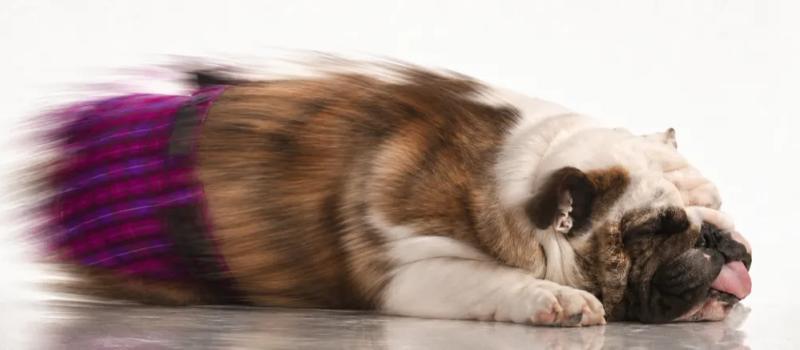
Brachycephalic is the term for a shortened muzzle and a more flattened facial shape. This skull shape can be accompanied by abnormalities that reduce space for air to pass through the upper airway. Dogs do not all have the same combination of changes or the same degree of obstruction.
Small nostrils can restrict airflow. Further back, an elongated soft palate can obstruct the entrance to the airway, while tissue near the vocal cords can be pulled inward during breathing. Some dogs also have a windpipe that is proportionally narrow. These are anatomical problems a vet assesses, rather than conclusions you can draw from the sound of a snore.
Brachycephalic obstructive airway syndrome, or BOAS, describes this airway problem. When snoring is the concern within your dog's sleep pattern, it is worth separating the question about noise from the question about how well air is moving.
What the sleep studies found
A 2023 study recorded sleep-related breathing in 24 dogs, including 12 short-muzzled dogs and 12 comparison dogs. A 2024 study included 63 dogs. Both found an association between short-muzzled skull shape and disturbed breathing during sleep. The findings give a reason to take airway concerns seriously, without telling us that every dog in a breed is affected equally.
The 2024 study also found that excess weight and greater BOAS severity were associated with higher measures of obstructive breathing events. An association does not establish that losing weight will cure a dog's snoring. It also does not supply a diet plan or a treatment decision for an individual dog.
These were selected study groups. In the 2024 research, dogs from some breeds and dogs whose pet parents had noticed sleep-breathing signs were deliberately included. The results therefore cannot tell us the prevalence of this problem in all dogs. They do not provide an Indian population rate either.
Notice the whole breathing pattern
In the short-muzzled group of the 2023 study, time spent snoring did not reliably indicate the degree of sleep-related breathing disturbance. Looking across all dogs gave a different relationship, so applying the overall result to every short-muzzled dog would lose an important detail. Noise alone cannot settle the question.
The later study found that pet parents' reports did not always match the recordings. That makes reported snoring an imperfect marker too. You can tell your vet what you hear, including whether it seems different, without treating your estimate of snoring time as a clinical measurement.
Some dogs in sleep-breathing research slept sitting up or with an object in their mouth. Those positions also occurred without the same measured breathing problem. The guide to sleeping positions explains why posture alone is not diagnostic. Do not put something in your dog's mouth or try to treat snoring by arranging a particular sleeping pose.
Get help for breathing difficulty
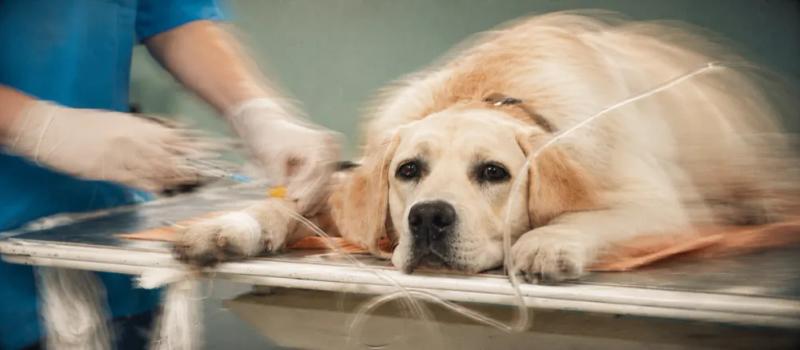
Breathing difficulty needs urgent care. Blue gums, marked abdominal effort while breathing, or weakness or collapse are concerning signs. You do not need to see all of them together before acting, and you should not wait for collapse when breathing is already difficult.
Take your dog to the nearest emergency veterinary service if you notice respiratory distress. This is a different decision from arranging a routine discussion about snoring. Trying a new sleeping position first can delay the care that breathing difficulty requires.
A dog does not need to make a louder noise than usual before difficulty breathing warrants immediate attention.
How a vet assesses the problem
A BOAS assessment brings together the dog's history, signs and physical examination. A vet can see the nostrils during an ordinary examination, while assessment of some internal airway structures requires anaesthesia. Imaging may be used depending on what needs examination. Ask the clinic which assessments are appropriate for your dog and how they will be arranged.
Mild BOAS may be managed conservatively under a vet's plan; more severe cases may need surgical correction. The decision depends on the problem found. Your vet must choose treatment after assessing the airway.
For routine clinic discovery, PetMap can help you find veterinary clinics. Contact a vet directly for a breathing emergency.

Frequently asked questions
Should I worry about my dog snoring?
Snoring alone is an imperfect marker of a breathing problem. Discuss concerns with your vet rather than assuming the sound is harmless for a particular breed. Any breathing difficulty needs immediate veterinary care, even without other signs.
Does dog snoring need treatment?
A vet needs to assess whether an airway problem is present and choose care accordingly. Mild BOAS may be managed conservatively, while more severe cases may need surgery. The sound alone cannot establish which approach your dog needs.
Sources
- Niinikoski et al. (2023), Journal of Veterinary Internal Medicine: Description of a novel method for detection of sleep-disordered breathing in brachycephalic dogs
- Niinikoski et al. (2024), Journal of Veterinary Internal Medicine: Risk factors for sleep-disordered breathing in dogs
- Cornell Riney Canine Health Center: Brachycephalic obstructive airway syndrome
- Cornell Riney Canine Health Center (updated March 2025): Recognizing and responding to canine respiratory distress