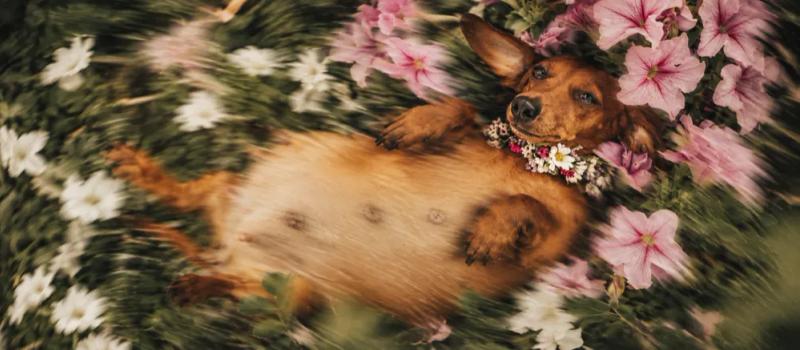
Dog shedding is a natural part of the hair-growth cycle, and its amount and timing vary with the dog, environment and health. Use a coat-appropriate brush to manage loose fur. Bald patches, irritated skin or a sudden increase in shedding need a veterinary discussion.
Hair on the brush and a bare patch on the dog are different things to notice. Pay attention to the skin as well as the fur you collect. Describe any change to your vet without assuming that the amount on the brush tells you what caused it.
Understand your dog's pattern
Dogs differ in how much and when they shed. Indoor dogs may shed more consistently through the year because artificial lighting and stable temperatures affect the pattern. Dogs spending time outdoors can show more noticeable seasonal changes.
This does not give every dog in India the same shedding calendar. Your dog's environment matters, and a seasonal description from elsewhere should not decide what you expect in your own home.
Compare what you notice with your dog's usual pattern. You could keep a brief note of a change that stands out, such as more loose hair during brushing or a patch of thinning coat. Write down when you noticed it and what else, if anything, looked different.
A sudden or dramatic increase deserves a veterinary discussion, even when a seasonal explanation seems possible. Bald patches, thinning fur and red or crusted skin also need assessment.
Brush for the coat you have
Regular brushing helps manage loose hair and prevent mats. Use a brush or comb suited to your dog's coat, and ask your vet or groomer to show you what works for that coat if you are unsure.
Introduce the tool with rewards and practise while your dog is relaxed. Keep sessions short, and pause if your dog pulls away, freezes or shows other signs of stress. A fuller guide to planning home grooming explains the handling preparation and coat checks.
Brushing helps remove loose fur, but it does not mean every dog needs the same number of sessions. Keep the tool and routine suited to the coat rather than copying a brushing timetable from another dog.
Keep bathing in proportion
Bathing should follow your dog's individual care needs. Too-frequent baths can strip natural oils and lead to dryness or irritation, so more loose hair should not automatically mean more washing.
Discuss the appropriate interval with your vet. The guide to how often your dog needs a bath explains that decision and the preparation for a gentle routine.
Tell the vet how often you are currently bathing your dog and what makes you decide another bath is needed. Show them the supplies you use if you want those checked too. Keep the advice with your grooming notes so everyone at home can follow the same plan.

Notice changes in the skin
Hair loss and irritated skin
Ask your vet about bald spots, thinning fur, patchy hair loss or skin that looks red, irritated or crusted. A sudden increase in shedding is also worth reporting. These observations give the clinic a reason to assess your dog; they do not identify a disease on their own.
Describe where you noticed the change. You can say that the fur looks thinner in one area or that the skin beneath it looks different. Bring that description even if you are unsure how long the change has been there.
Skin and coat abnormalities need appropriate veterinary advice. Follow the care recommended for your dog rather than starting a treatment based on a picture that looks similar.
Itch and parasites
Increased or severe itching needs veterinary attention, particularly if it appears painful. Tell the clinic if the itch is a change from your dog's usual behaviour and whether you have noticed anything different in the coat or skin.
Parasites are among the possible causes of abnormal hair loss. That does not mean ordinary shedding establishes a flea problem. If fleas are suspected or found, the guide to fleas on dogs and the home environment explains that separate problem, including why the home needs attention.
Ask your vet to assess abnormalities and advise on the next step. Keep the observation of a possible parasite separate from assumptions about which treatment your dog needs.
Keep feeding questions with the care plan
A complete, balanced diet supports skin and coat health. Ask your vet about feeding questions, especially if you are considering a supplement for a skin concern. Supplements for these conditions belong within individual veterinary advice.
The guide to building the base of your dog's diet explains the distinction between the main food and extras. It can help you prepare questions about what you are feeding without treating a diet change as a cure for shedding.
Bring details of the food and any extras or supplements you already give. Ask which information the clinic wants you to record before the appointment. You don't have to guess which ingredient is responsible for a coat change.
Common questions
Why is my dog shedding so much?
The amount can vary with the dog, environment and health, but a sudden or dramatic increase is worth discussing with your vet. Report bald patches, thinning fur, red or crusted skin and other changes you notice. Do not assume a seasonal explanation accounts for an abnormality.
When is dog shedding season?
There is no single calendar for every dog. Indoor dogs may shed more consistently through the year, while outdoor dogs can show more noticeable seasonal changes. Your dog's environment matters. Keep that variation separate from sudden changes or skin abnormalities that need veterinary assessment.
Keep the visit record
Use PetLife to keep the vet-visit history for your dog's coat or skin concerns together. Bring the records your clinic requests when you return to discuss the care plan.