Gum disease in dogs includes gingivitis, which affects the gums, and periodontitis, which damages deeper tissues supporting the teeth. Plaque is central to this process. Gingivitis can be reversed with appropriate care, while ordinary home brushing cannot restore lost supporting bone, as the explanation of periodontal disease describes.
An examination is needed to assess what is happening in your dog's mouth. The wider guide to dog dental care in India explains how a home routine and professional care fit together; you can use it to prepare questions about the care your vet proposes.
What changes in the gums
Plaque is a film of bacteria that adheres to teeth and contributes to periodontal disease. It can cause inflammation of the gums and damage to deeper supporting tissues. The vet needs to assess how far that involvement extends when examining the mouth.
In gingivitis, inflammation is confined to the gums and can be reversed with professional cleaning and consistent home care. Once periodontitis affects deeper supporting structures, there can be loss of attachment between the tooth and the tissues that support it. Ask your vet which of these changes is present.
Brushing does not replace lost bone. Periodontal bone loss is irreversible without advanced regenerative surgery, although its progression can be arrested. Treatment can still help manage the disease.
Damage can occur beneath the gums. If the vet uses a term you don't recognise, ask which tissue it refers to and what further assessment is needed. Ask for the dental notes after the examination.
Signs pet parents may notice
Gum redness, swelling, bleeding and bad breath can accompany inflammation. The symptom guide advises contacting a vet about mouth bleeding, bad breath or difficulty eating. Tell the clinic what you notice when arranging an examination. These signs cannot tell you the stage of disease at each tooth.
Dental pain may change how a dog eats or behaves. Chewing on one side and dropping food are possible observations, but dogs can also continue eating despite dental pain. Normal appetite doesn't settle whether the mouth is comfortable. Mention it alongside any changes you have noticed.
You can note when the changes appeared and describe them to the clinic when arranging an examination. If odour is the main concern, the article on bad breath in dogs explains how to prepare for that conversation.
How vets assess the stages
Periodontal stages apply to individual teeth. Different teeth in the same mouth can have different stages of disease. If your vet gives you several stage numbers, ask which teeth they refer to and how that affects the care being proposed.
The classification includes a normal category and four disease stages. Attachment loss describes how much support a tooth has lost, and the thresholds help distinguish the stages:
- PD0 is clinically normal, with no clinically evident gingival inflammation or periodontitis.
- PD1 is gingivitis without loss of attachment supporting the tooth.
- PD2 is early periodontitis, with less than 25% attachment loss.
- PD3 is moderate periodontitis, with 25% to 50% attachment loss.
- PD4 is advanced periodontitis, with more than 50% attachment loss.
The full periodontal classification also includes assessment of disease where the roots of a tooth divide. The percentages above describe one part of those criteria. They are measurements for professional assessment; a pet parent cannot work them out by looking at the gums.
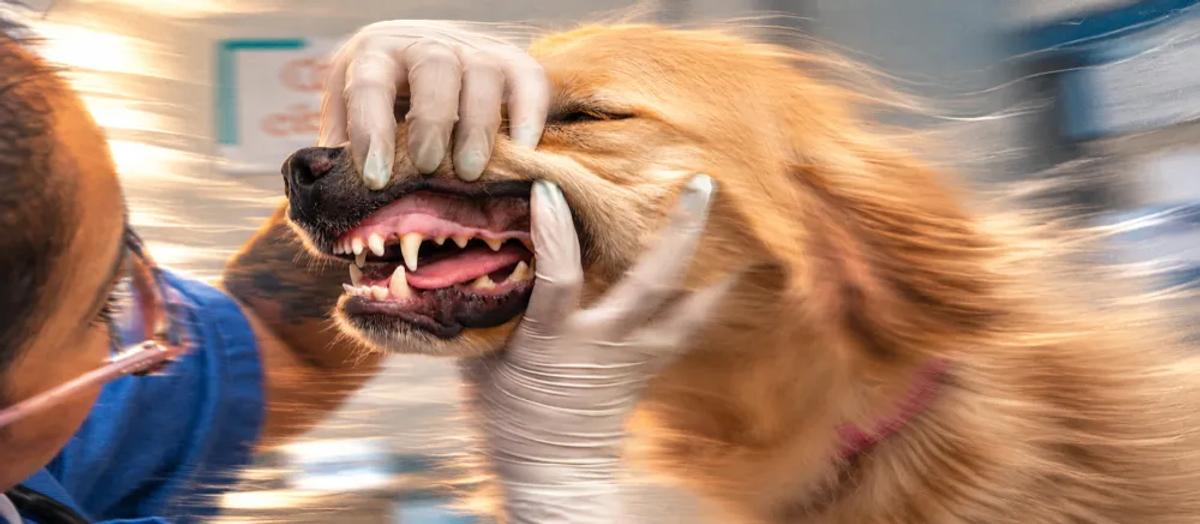
A thorough examination takes place under general anaesthesia, with findings recorded in a dental chart. The professional-care overview explains the role of examination and dental X-rays. Ask what dental imaging is available, how further assessment would be arranged if needed and how the findings affect the plan for each tooth.
Treatment decisions
Treatment follows the findings. The vet uses available examination findings, including dental radiographs when available, to plan care, while also considering your dog's health and home-care plan. Some teeth may need further treatment or removal. Ask the vet to explain the findings behind each recommendation.
Plaque control remains part of periodontal treatment. Depending on disease, the options include professional cleaning, home care, periodontal surgery and extraction. The professional-care overview describes cleaning above and below the gumline and the examination that guides further treatment. Those options need to be matched to the affected teeth.
Cleaning only above the gumline is insufficient for treating periodontal disease. Ask what care will be provided below the gums and how the vet will explain the findings afterwards. The guide to dog teeth cleaning at the vet covers the appointment, including questions about anaesthesia and imaging.
Ask what you will need to do after treatment. Brushing helps control plaque but cannot restore lost bone, so discuss the aim of the proposed home routine with your vet. If any part of it is difficult to carry out, say so when the plan is being made.
Ongoing care after treatment
Home care remains part of periodontal management after professional treatment. Follow the treating vet's recommendations when restarting it. Ask for written instructions, and check which activities you can resume and which should wait until the vet advises you to begin.
Daily brushing is the ideal goal, supported by the advice on daily care. If the mouth is uncomfortable, seek advice before persisting: brushing inflamed gums can add discomfort, and forcing home care can be counterproductive. The brushing guide describes gradual introduction once the care plan allows it.
Write down the follow-up arrangements before leaving. Follow-up belongs in treatment planning, and the recovery advice describes discharge instructions and follow-up examinations. Ask which changes the clinic wants you to report and how to contact the team with a concern.

Common questions
How can I tell if my dog has gum disease?
Gum redness, bleeding, bad breath or changes in eating can indicate a mouth problem, and the symptom guide advises contacting your vet about these concerns. Dogs can still eat despite dental pain, so normal appetite does not rule it out. A veterinary examination is needed to assess the mouth and any deeper disease.
What are the stages of gum disease?
The periodontal classification calls gingivitis without attachment loss PD1, followed by early, moderate and advanced periodontitis as PD2, PD3 and PD4. PD0 describes a clinically normal tooth. Stages apply to individual teeth, and a vet determines them through professional assessment using the criteria described above.
Ask for an examination
Use PetMap to find a vet clinic and ask about an oral examination for the changes you have noticed. Return to the dog dental care guide when organising questions about treatment and ongoing care.