Dog diseases can involve very different causes and care needs. Among infectious illnesses, canine distemper, parvovirus, kennel cough and leptospirosis can produce signs that overlap, including changes in appetite, coughing or gastrointestinal illness. A vet considers the whole presentation and selects tests where they can help establish the cause. A symptom list cannot do that on its own.
Contact a veterinarian about concerning changes in your dog. You don't need a diagnosis first. These four infections are the focus here, rather than a complete list of every condition a dog can develop or a ranking of the most common diseases in India. Understanding their differences can help you follow a veterinary assessment without treating another dog's diagnosis as the explanation for your own dog's signs.
Changes that need a veterinary assessment
Vomiting, diarrhoea, coughing and a loss of appetite deserve attention, but they are not unique to one infection. Distemper can involve several body systems. Parvovirus commonly causes gastrointestinal illness, while leptospirosis can involve the kidneys, liver and other organs. Kennel cough describes a respiratory syndrome with several possible infectious causes. The same everyday description, such as a dog being off its food, can therefore appear in quite different assessments.
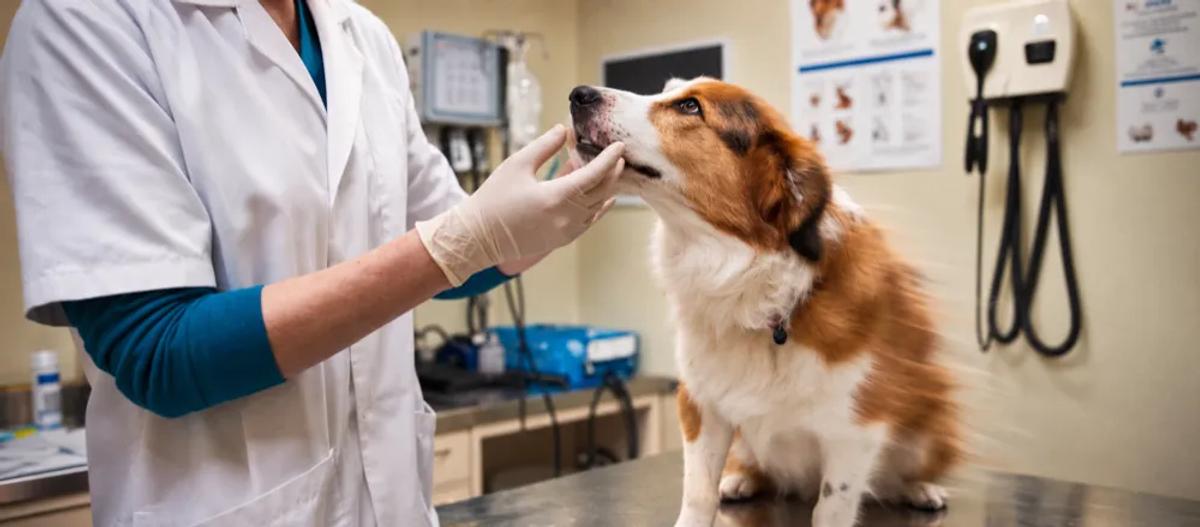
Tell the vet what you have actually noticed. Separate a change you saw from a cause you suspect: a cough is an observation, while deciding that it came from a particular dog or boarding stay is an interpretation. Both the signs and the exposure history can be relevant, but the assessment has to connect them. It is fine to say that you don't know when contact happened.
Gastrointestinal distress should be checked by a veterinary professional. Blood in diarrhoea or vomiting does not establish parvovirus by itself. Likewise, a cough accompanied by eye or nose discharge does not automatically mean a straightforward case of kennel cough. Distemper is one of the conditions a vet may consider, especially in a young dog with that presentation.
The concern may also fall outside these four infections. If you are looking for help with a patch of affected skin or ongoing itching, the assessment of dog skin changes covers that separate investigation. Keep the description of the problem specific when you contact the clinic. A broad search for dog diseases is a starting point for information, not a reason to force every change into the same group of illnesses.
Canine distemper
Canine distemper is a contagious viral illness that can affect the respiratory, gastrointestinal and nervous systems. Fever, coughing, eye inflammation or discharge, diarrhoea and a reduced appetite can be part of the presentation. The combination and severity vary. Seeing one of these signs does not establish distemper, and expecting every sign to appear can give a misleading picture of the disease.
The virus's effects across different systems help explain why a distemper assessment may involve more than the complaint that first caught your attention. A dog brought in for respiratory signs may need a wider examination. The vet considers the history and clinical findings, then uses suitable diagnostic methods to investigate whether the virus is involved.
PCR is one of those methods. It looks for the virus's genetic material, rather than identifying infection from the outward appearance of the dog. The result belongs alongside the clinical assessment. Ask the vet what the chosen test is intended to establish and how its result relates to the signs being investigated.
Veterinary care focuses on managing symptoms and secondary complications. Depending on the dog's needs, care may include fluid and nutritional support. The treating veterinarian has to explain what the individual dog needs and which parts of the plan require clinical care.
The guide to distemper signs and veterinary assessment explains the symptom overlap and diagnostic discussion in more detail. Keep those questions separate from vaccination planning: assessing an illness already present and planning prevention are different conversations, even when both concern the same virus.
Parvovirus in dogs
Parvovirus is a contagious viral disease that commonly causes acute gastrointestinal illness in puppies. Older dogs can also be affected. Signs can include a loss of appetite or energy, vomiting and diarrhoea. Bloody diarrhoea may occur, but its appearance alone cannot confirm the cause. Other illnesses can produce similar concerns.
Fluid loss is an important part of the clinical picture. Severe vomiting and diarrhoea can leave a dog dehydrated and disturb its electrolyte balance. The vet's assessment therefore involves the dog's condition as well as the question of whether parvovirus is present.
A faecal antigen test can help detect the virus. These tests have limitations, and a result may need further investigation. PCR is another laboratory method a vet may use. A negative rapid result is not a reason for a pet parent to dismiss ongoing signs without the vet's interpretation, particularly when the rest of the clinical picture still raises concern.
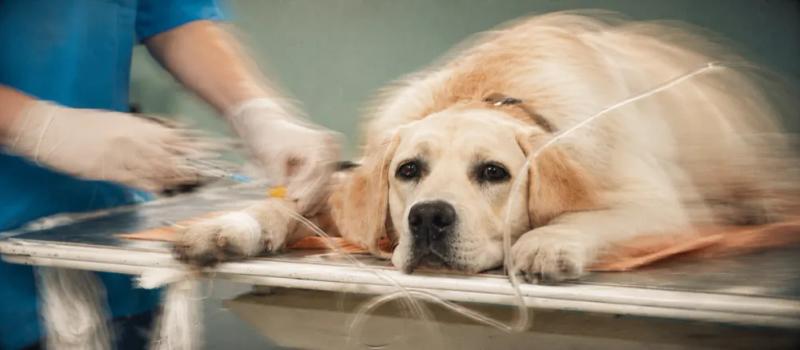
Professional care is tailored to how sick the dog is. Hospitalisation may be needed for intravenous fluids, nutritional support and management of symptoms. The purpose is to support the dog through the illness and address its consequences. These decisions depend on clinical assessment; a care description from another case cannot establish the right setting or treatment for your dog.
Our article on parvovirus symptoms, tests and care gives more detail on these distinctions. It also explains why prevention and contact with other dogs remain separate questions from the immediate treatment discussion. No single description of stool, appetite or a test strip can answer all of them.
Kennel cough
Kennel cough is the everyday name used for canine infectious respiratory disease complex, often shortened to CIRDC. Several viruses and bacteria can be involved. Bordetella bronchiseptica is one contributor, so kennel cough and Bordetella are not interchangeable labels for every coughing dog.
Coughing can occur with sneezing or discharge from the eyes or nose. Bordetella infection is associated with a distinctive honking cough, but a sound is not a laboratory diagnosis. The signs and their severity vary between dogs. More serious respiratory illness can involve pneumonia and laboured breathing, which belongs in a veterinary assessment rather than an assumption that the illness is mild.
The history matters here. A vet will consider the dog's signs alongside possible exposure to other dogs. Clinical examination may be sufficient to guide the initial approach in a typical uncomplicated case, while severe illness or a suspected outbreak can call for more investigation. The testing plan for one dog does not automatically apply to every coughing dog in a household or facility.
Respiratory tests also need interpretation. Some organisms can be detected in dogs that are well as well as dogs that are sick. The timing of testing can affect what is detected. That is why finding an organism and deciding how it relates to the present illness are parts of the same clinical assessment.
The article on kennel cough and veterinary assessment explains when testing becomes more relevant and why antibiotics are not automatic for every case. Treatment choices depend on the presentation and the vet's assessment of possible causes. A medicine used for another dog's cough does not answer those questions for yours.
Leptospirosis in dogs
Leptospirosis is caused by bacteria. Contact with infected-animal urine or contaminated water and soil can be involved in exposure. Rodents and other animals can contribute to contamination. A dog's surroundings are therefore relevant to the history, but a particular walk through water does not, by itself, establish where an infection came from.
This illness can affect several organs. Kidney and liver problems are prominent concerns, and the clinical signs can include fever, appetite loss, vomiting, diarrhoea, weakness or changes in drinking and urination. Those signs can occur in other diseases too. They need to be considered together with the examination and laboratory findings.
Diagnosis combines clinical suspicion with testing. The vet may use blood and urine investigations, tests for antibodies and methods that look for the organism's genetic material. The available tests have limitations, which is one reason the investigation can involve more than one kind of evidence. A pet parent should not have to turn an isolated result into a diagnosis.
Veterinary care can include antimicrobial treatment and support for fluid, electrolyte and organ problems. The plan varies with the dog's condition. Describing these broad parts of care does not establish which medicine, fluid plan or level of hospital support is appropriate for an individual patient.
Leptospirosis also raises household-precaution questions. The guide to leptospirosis exposure and care covers the veterinary discussion and urine-contact precautions.
Why the tests and care plans differ
Tests answer particular questions. A parvovirus faecal antigen test and a PCR investigation are different methods. Leptospirosis assessment can combine antibody testing with methods that detect the organism. For suspected distemper, the history and clinical presentation remain relevant alongside laboratory investigation. A request for another sample does not have the same meaning in every illness.
The respiratory example is especially useful. In a single dog with a typical uncomplicated CIRDC presentation, no evidence of pneumonia and no high-risk group involved, a broad respiratory testing panel may offer limited benefit. A severe case or a suspected outbreak is a different situation. The conditions attached to that advice matter as much as the advice itself.
Care also addresses consequences of illness. A dog losing fluid through vomiting and diarrhoea needs an assessment of that loss; a dog with organ dysfunction needs care directed at those problems. This is why an explanation of treatment should include what it is trying to manage, rather than ending with a list of medicines. Ask which part of the plan addresses the infection and which part supports the dog through its effects.
Prevention and contact with other dogs
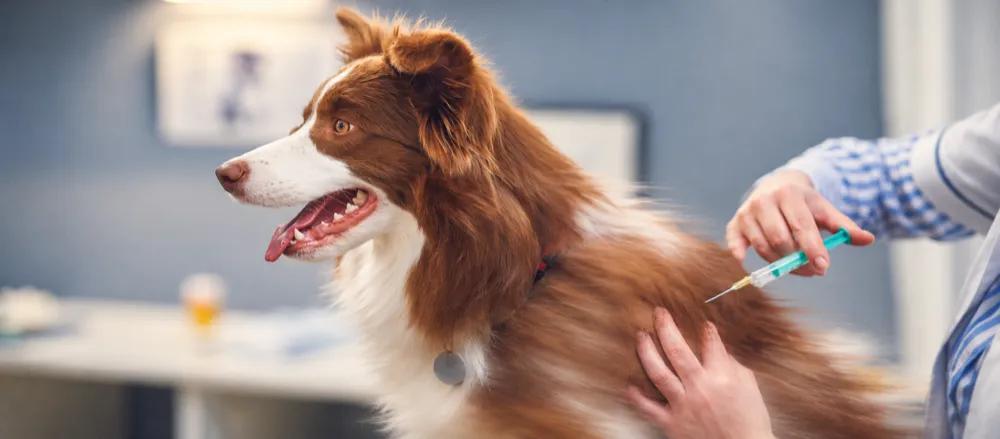
Prevention needs an individual veterinary plan. Vaccination is important in preventing distemper, and parvovirus prevention also requires attention to vaccination and exposure. The dog vaccination guide covers that wider planning conversation without turning this disease overview into another vaccine calendar.
Contact precautions differ. Dogs with distemper need separation from other dogs, with veterinary clearance before returning to public spaces. Parvovirus can persist outside an infected dog, making separation and prevention planning important. A dog with Bordetella may continue to shed bacteria after signs have resolved. Looking better does not settle every question about contact.
For leptospirosis, prevention includes reducing access to standing water and limiting contact with reservoir animals, including through rodent control. Ask the vet which precautions apply to your dog's situation. Avoid borrowing a fixed return date from another illness or another household's experience.
Keep the health record accessible
Keep the clinic's findings and the agreed care instructions with the vaccination history. PetID can hold health records and veterinary documents together. That gives you one place to return to when a later appointment refers to an earlier test or diagnosis, instead of relying on a remembered disease name.
Frequently asked questions
What are some common dog diseases?
Canine distemper, parvovirus, kennel cough and leptospirosis are examples of infectious illnesses that affect dogs. They differ in cause, exposure and care needs, and they are only part of the wider range of canine health conditions. This list does not rank their frequency in India. If your dog has concerning signs, describe those signs to a vet rather than choosing a diagnosis from the list. The examination and any selected tests help establish which condition is relevant to your dog.
Sources
- WSAVA, Principles of Wellness (2025)
- Karki, Rajak and Singh, Canine morbillivirus (CDV): a review on current status, emergence and the diagnostics, VirusDisease (2022)
- Cornell Riney Canine Health Center, Canine distemper virus
- Li and colleagues, Decoding canine parvovirus: biomarkers for diagnosis and advances in vaccine development to address emerging challenges, Frontiers in Veterinary Science (2025)
- Cornell Baker Institute for Animal Health, Canine parvovirus
- Lappin and colleagues, Antimicrobial use guidelines for treatment of respiratory tract disease in dogs and cats, Journal of Veterinary Internal Medicine (2017)
- Cornell Riney Canine Health Center, Bordetellosis (updated 2025)
- Sykes and colleagues, Updated ACVIM consensus statement on leptospirosis in dogs, Journal of Veterinary Internal Medicine (2023)
- Cornell Riney Canine Health Center, Canine leptospirosis (updated 2024)