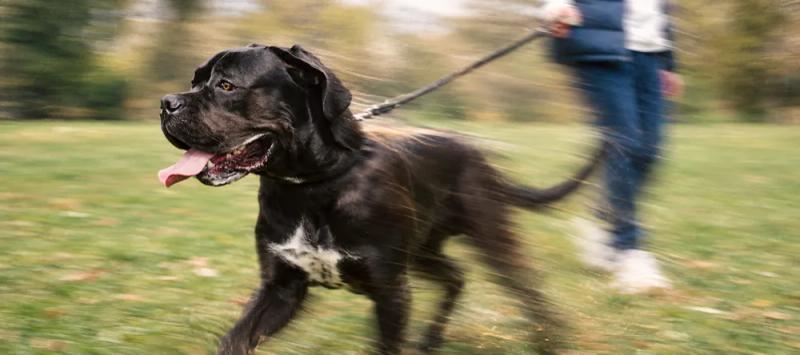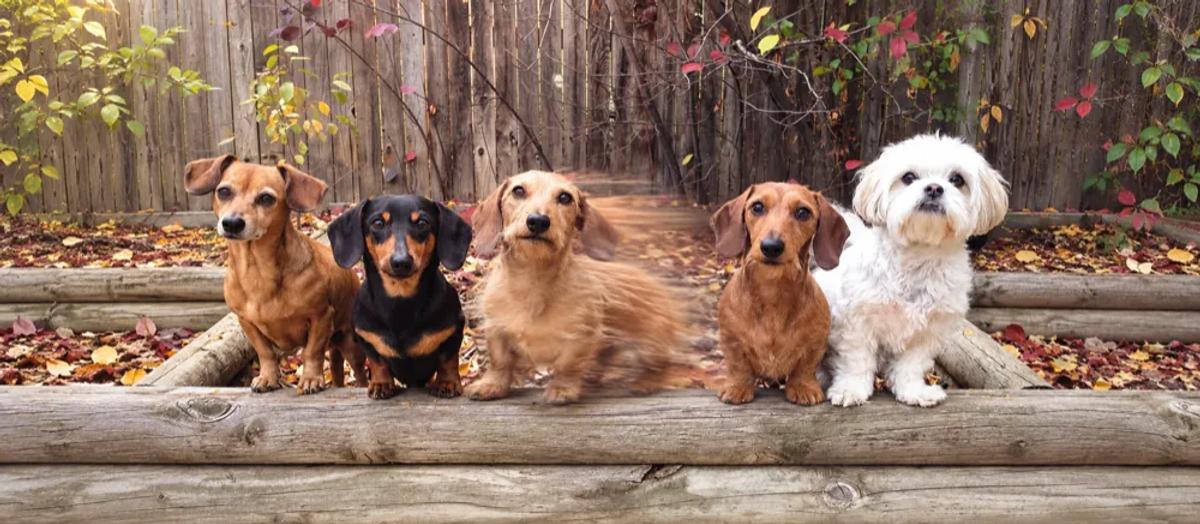
Shih Tzus, Pomeranians, Dachshunds and Beagles are worth comparing when you are looking at small dog breeds, with Beagles at the larger end of this selection. Their coats, body shapes and health concerns differ. Choose by the care you can provide and the needs of the individual dog, rather than size alone.
A photograph can help you recognise a breed. It cannot show you who will handle grooming on a busy weekday, how you will reach a clinic, or what care a particular dog already needs. Those details deserve a place in your decision from the start.
Compare the dog and your household
Start with the week you actually have. Write down who will handle feeding, grooming practice, opportunities for movement and play, and veterinary appointments. Include the days when work runs late. If the plan depends on one person being available every time, agree on a backup before bringing a dog home.
Individual wellness guidance covers more than food and a place to sleep. Dogs need a comfortable environment, a quiet resting place and opportunities to move, explore and interact. Discuss how to provide those things for the dog you are considering. A small floor footprint does not answer the whole care question.
Coat care is another useful comparison. A Shih Tzu's long coat and a Pomeranian's double coat deserve a closer look before you decide how much grooming you can manage. A Dachshund's coat can be smooth, wirehaired or longhaired. Ask to see the care the actual dog receives, including the tools used and the parts of handling they find comfortable.
Budget for the services you intend to use, but get the figures from your local clinic and groomer. Ask what a quoted appointment includes, what you are expected to do at home and whom to contact when something changes between visits.
Treat size descriptions with care, too. Breed standards use their own categories; they are not veterinary feeding targets. Compare the dog's actual build and records with a vet. Do not adjust food to make a dog resemble a photograph or fit a label.
Four breeds and their care priorities
Shih Tzu: Plan around the coat and everyday care
The Shih Tzu coat is described as long and dense, with a moderate undercoat. Hair should not obstruct the dog's sight or restrict movement. That gives you a practical starting point when discussing grooming: the dog needs to see and move comfortably, whatever appearance you prefer.
Health records also suggest useful topics for a first veterinary conversation. A study of UK veterinary records from 2016 examined a random subset of 2,423 Shih Tzus. Periodontal disease, anal-sac impaction and ear disorders were the most commonly recorded individual disorders. Skin, dental and eye disorders featured in the broader grouped results.
Those findings describe that study population. They do not diagnose a dog you are meeting, or give an Indian Shih Tzu's individual probability of illness. Use them to organise questions about the dog's existing records, coat care and mouth care. Our Shih Tzu care guide explains the findings and how to build a manageable routine.
Beagle: Make feeding and weight review concrete
A Beagle has a sturdy build and long ears. If this breed is on your shortlist, leave room for a proper discussion of feeding and body condition rather than assuming that a compact-looking dog needs a particular amount of food.
A UK study using 2019 veterinary records examined a random sample of 3,729 Beagles. Obesity and periodontal disease were the two most commonly diagnosed disorders. Overgrown nails and inflammation of the outer ear canal were also prominent. The study gives pet parents specific care topics to raise; it does not establish that every Beagle will develop those problems.
For a household, the useful response is to make feeding responsibilities clear and bring an accurate account of food and treats to the vet. Discuss a weight and body-condition plan for that dog. The Beagle care guide covers the research, dental care and the information to prepare for a feeding review.
Dachshund: Understand the back-health discussion
The Dachshund has a long, low body and comes in smooth, wirehaired and longhaired coats. Coat choice tells you something about appearance and the grooming conversation to have. It does not provide a health guarantee.
Back health deserves attention. Research on Dachshunds includes an owner survey published in 2016 and a study published in 2026 that examined spinal-health measures in different European populations. These studies use different methods and outcomes, so their results should not be combined into a single prediction for a puppy.
In particular, associations between lifestyle and disc disease are not proof that a particular activity prevents it. Discuss the dog's health history and activity with a veterinarian rather than turning a survey result into a household rule. Our Dachshund care guide explains the distinction, coat types and signs that warrant contacting a vet. It also explains why ranking varieties by supposed back safety goes beyond what this evidence can tell a pet parent.
Pomeranian: Look beyond the outline of the coat
The Pomeranian has a compact frame, a soft, fluffy undercoat and a long, straight outer coat. That layered coat is a concrete care consideration. Ask for a grooming demonstration on the individual dog and find out how the groomer handles discomfort or requests for a break.
Knee health is another topic to discuss. An English primary-care study found higher odds of a patellar-luxation diagnosis in Pomeranians than in crossbred dogs. This is a condition involving displacement of the kneecap. A breed association does not establish an individual dog's diagnosis or treatment needs.
Pomeranians were also represented in a selected Korean clinical study of dogs with tracheal collapse. Because the study began with affected dogs, it cannot tell you how common the condition is among all Pomeranians. The Pomeranian care guide covers coat care, knee assessment and the breathing signs that need urgent veterinary attention.
Compare commitments, then ask about the individual
Use these four starting points when you make your shortlist:
- For a Shih Tzu, discuss long-coat care, clear vision and the dog's dental, skin and eye history.
- For a Beagle, prepare questions about feeding, body condition, dental care, ears and nails.
- For a Dachshund, discuss coat type, existing records and an individual back-health and activity conversation.
- For a Pomeranian, discuss double-coat care and any history of knee or airway assessment.
A family already comfortable with grooming may view a long coat differently from someone planning their first home-care routine. Equally, access to help matters only if you have checked what that help involves and can use it when needed.
Coat and dental care take planning
Regular coat and skin checks can help you notice matting, fur loss, injuries or other changes that need veterinary assessment. The right brushing, bathing or trimming interval depends on the dog. Ask your vet about the interval and your groomer about the practical method, instead of borrowing a fixed calendar from a breed list.
Handling can begin before a full grooming session. Let a relaxed dog investigate the tools and pair their introduction with rewards. Practise gentle handling in small steps. If the dog pulls away, freezes or shows other signs of stress, pause and make the next step smaller. Seek qualified help if grooming remains difficult.
When planning home grooming, decide which tasks you can carry out comfortably and which need professional help. You do not have to solve every part on the first day. A demonstration is more useful than a shopping list of tools you have never used.
Dental care needs its own place in the routine. Guidance supports gradually introducing toothbrushing with a suitable brush and toothpaste, working towards daily brushing. Start with comfortable handling around the face and lips, reward acceptance and progress at the dog's pace. Stop if the dog is uncomfortable. A vet can help you choose equipment and assess concerns about the mouth.
Our dog dental care guide explains the roles of home care and clinic care. Put the routine beside an existing daily task so the person responsible knows when it belongs, rather than leaving it as a general intention.

Feeding and activity should fit the dog
Choose food that is complete and suited to the dog's life stage and individual needs. Read the adequacy information on the label and have the food details available when discussing portions with a veterinarian. A breed name on the front of a pack does not supply the dog's personal feeding plan.
Food amount should take account of ideal body condition, age, size and lifestyle. Treats and other feeding practices belong in that conversation. If several people feed the dog, agree on one way to record what has been given; a notebook is enough. Bring the record to the appointment rather than estimating everything from memory.
Activity also needs individual planning. Make space for movement, play, exploration and rest, and discuss what suits the dog's health. For a fuller discussion, read about an individual dog exercise plan.
Work through the practical arrangements as a household. Decide who is available during the day, where the dog can rest undisturbed and how you will organise care when the usual person is away. These choices make the care plan usable. They are also details you can review as the dog's needs change.
Prepare for the first care conversation
Collect the records available for the dog, including previous clinic visits and current food information. Write down questions separately from confirmed diagnoses. If a previous carer says the dog has a health problem, ask for the relevant veterinary record rather than trying to interpret a brief description yourself.
At the appointment, ask the veterinarian to help set priorities. You might need clarification on body condition, a coat-care concern or a previously recorded diagnosis. Ask which tasks belong at home, which need a professional and when the plan should be reviewed. Keep the answers somewhere the people caring for the dog can find them.
For grooming, describe what you can realistically manage. Ask to see how the tools should be used and what should make you stop. For clinic access, check the arrangements directly with the practice, including how to contact them when an urgent concern arises. Save that information before it is needed.
Frequently asked questions
Which small dog breeds should I compare?
This guide compares Shih Tzus, Pomeranians, Dachshunds and Beagles, with Beagles at the larger end of the selection. Compare coat care, individual health records and the practical support your household can provide. This is a focused shortlist, not a claim that these four are the best choices for every home in India.
Are small dogs low maintenance?
Small size alone does not establish how much care a dog needs. Coat and skin care, dental care, feeding, activity and veterinary planning still need attention. A long or double coat gives you specific grooming questions to ask. Work out the routine for the individual dog before describing it as easy to maintain.
How should a family compare small dog breeds?
Agree on responsibilities, available time and professional support, then discuss the individual dog's needs and history. Include feeding, grooming, opportunities for activity and quiet rest, and clinic transport. Avoid choosing from appearance alone or expecting a breed description to settle how a particular dog will fit your household.
Find the support your care plan needs
Use PetMap to explore nearby vet clinics and grooming options. Contact the businesses to ask which services fit the dog you are considering, what preparation they request and how their care arrangements work. Bring those answers back into your household plan before making your choice.
Sources
- Dale FC et al. Demography, common disorders and mortality of Shih Tzu dogs under primary veterinary care in the UK. Canine Medicine and Genetics (2024).
- O’Neill DG et al. Beagles kept as companion animals in the UK: demography, disorders and mortality. Companion Animal Health and Genetics (2025).
- Packer RMA et al. DachsLife 2015: an investigation of lifestyle associations with the risk of intervertebral disc disease in Dachshunds. Canine Genetics and Epidemiology (2016).
- O’Neill DG et al. The epidemiology of patellar luxation in dogs attending primary-care veterinary practices in England. Canine Genetics and Epidemiology (2016).
- Kim et al. A retrospective study of tracheal collapse in small-breed dogs: 110 cases (2022 to 2024). Frontiers in Veterinary Science (2024).
- American Kennel Club. Beagle breed description. Appearance only.
- American Kennel Club. Dachshund breed description. Coat and size categories only.
- Fédération Cynologique Internationale. Shih Tzu breed standard, No. 208 (2017). Coat description.
- The Royal Kennel Club. Pomeranian breed standard (April 2025). Coat, frame and colours.
- Hopper M et al. Dachshund spinal health by coat and size type. Journal of Veterinary Internal Medicine (2026).
- Cornell Riney Canine Health Center. Patellar luxation.
- WSAVA Global Dental Committee. Toothbrushing toolkit.
- WSAVA Global Nutrition Committee. Guidelines on selecting pet foods (2021).
- Cohen A. Grooming: cooperative care. Cornell Riney Canine Health Center (5 February 2026).
- WSAVA. Principles of Wellness.