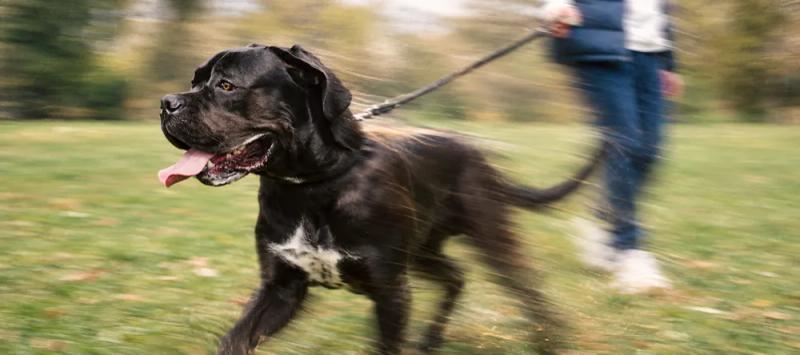
Mudhol Hound care starts with food suited to the individual dog, comfortable rest, daily activity and opportunities to learn. The breed appears in India's current official register and has a research and conservation centre in Karnataka. That background helps explain the name and the research attached to it. At home, feeding and activity decisions still need to fit your dog's condition, life stage and circumstances.
Mudhol and the research centre
The canine research centre is at Thimmapur, in Mudhol taluk of Bagalkot district, Karnataka. Its stated work includes development and conservation of the Mudhol Hound. The same setting appears in the original genetic study, which sampled dogs from the centre and nearby villages.
Mudhol Hound is listed in the official Indian dog-breed register checked in September 2026. The wider Indian dog breeds and their care guide places it beside selected Tamil Nadu and Himachal Pradesh profiles. The centre's role supplies institutional context; it does not, by itself, establish how a particular dog will fit a household.
What the genetic study examined
A paper published in the 2022 journal issue, first available online in 2021, studied 50 unrelated Mudhol Hounds using 26 canine microsatellite markers. The sample included dogs maintained at the research centre and dogs kept in nearby villages. The researchers were examining genetic variation in that sampled population.
The authors called for larger samples and more markers to support broader conclusions. A genetic study of this kind does not supply an exercise quota, prove disease resistance or predict the temperament of a dog you are considering bringing home.
The Gaddi laboratory research discussed in another profile asked a different question, using isolated blood cells and laboratory treatment groups. Both are research about dogs, but the methods are different. Reading what was sampled and what was done helps distinguish the studies without turning either into a claim that one breed is healthier.
Choose food for the dog you have
Select a complete, balanced diet that fits your dog's life stage and individual needs. Food type and amount should be considered alongside physical condition and lifestyle. A food marketed for a breed still needs to be judged by its nutrient profile and its suitability for the dog eating it.
At a nutritional assessment, weight is considered alongside body condition and muscle condition. Body condition concerns fat, while muscle condition concerns muscle mass. Looking at the dog is part of the assessment, but feeling the body is also important. A photograph or a breed label cannot provide all of that information.
Ask how the current assessment affects the food plan. The answer may concern the type of food, the amount offered or how the plan will be reviewed. The aim is to match the individual dog's needs over time.
Describe everything the dog is offered, including treats and table food. If food is used during learning, put it in the same account as the meals. Also mention other people who regularly supply food. A nutrition discussion can miss part of the routine if only the person serving dinner contributes to it.
Think through feeding location and management as well as ingredients. Explain where the dog eats and how the household handles the routine. If there are other food providers, identify their part in it. These details give the veterinary team the feeding history that accompanies the food itself.
For example, imagine that breakfast is served by one family member, while another offers food during afternoon practice. The household can describe both amounts and both occasions when reviewing the plan. Food offered during practice counts too.
Review changes in condition with your vet and adjust the agreed plan as needed. That assessment informs your dog’s diet.
Plan activity, rest and reward-based learning
Consider three parts of the day: opportunities to move and explore, opportunities to engage mentally, and a comfortable place to rest. Dogs need an environment that supports these needs alongside toileting and other ordinary activities. A household plan should make room for all of them.
Start by looking at the space already available. Identify where quiet rest can happen and where the dog has opportunities for movement and exploration. You’re reviewing the environment your dog uses. Discuss questions about the individual dog's activity with your veterinary team.
The guide to planning everyday dog exercise looks more closely at individual activity and enrichment choices. Use it when deciding which parts of the routine need more thought.
For learning, use rewards to encourage the behaviour you want and avoid aversive methods. Choose a response you can recognise. If you are practising a familiar behaviour, reward that response when it happens, rather than treating the session as a general test of obedience.
Rewarding experiences can be included alongside opportunities to explore and play. They do not all need to be formal lessons. Family members who share care can agree on what they are encouraging and how they will handle the dog, so the plan is something they understand and can carry out.
If a behaviour concerns you, raise it during veterinary assessment. Describe the action and its setting without deciding that it is inevitable for the breed. A structured assessment belongs in the dog's care record. That leaves the professional room to consider the individual animal and the circumstances around the concern.

Keep coat care and veterinary reviews practical
Check the coat and skin regularly for matting, missing fur, injuries and other abnormalities. Have concerning findings assessed by a vet. Observing the skin and coat gives you something specific to discuss, even when you do not know the cause of a change.
Cleaning intervals need to suit the individual dog. Explain the bathing, brushing or other care you already provide and ask what interval is appropriate. Too-frequent bathing can harm the skin or coat. A fixed calendar routine is therefore worth reviewing against the dog's actual needs.
Bring concerning physical or behavioural changes to the veterinary team, and agree regular reviews around the dog's circumstances. A check-up can include health and nutritional assessment.
When describing a concern, say what changed and what was happening around it. You can identify a possible trigger without declaring it the cause. Keeping that distinction clear helps you supply observations while leaving the interpretation to the assessment.
PetLife keeps weight logs and vet visit history together. Use those records to bring earlier weights and appointments into the next review, with the current feeding and care plan available for the household to follow.
Frequently asked questions
Where is the Mudhol Hound research centre?
The centre is at Thimmapur, in Mudhol taluk of Bagalkot district, Karnataka. Its stated work includes development and conservation of the Mudhol Hound.
What did the Mudhol genetic study examine?
The study sampled 50 unrelated dogs and used 26 canine microsatellite markers to examine genetic variation. The authors called for larger samples and more markers; the work does not establish an individual dog's health or temperament.
Sources
- ICAR-NBAGR. Geese, Duck & Dog Breeds of India. Dog registry checked September 2026.
- KVAFSU. Canine Research & Information Center (Mudhol Hound), Thimmapur, Bagalkot.
- Kaur J et al. In-vitro transcriptomic profiling of indigenous Gaddi vis-à-vis exotic Labrador dogs: insights from systems biology. Frontiers in Veterinary Science, 2025.
- Freeman L et al. WSAVA Nutritional Assessment Guidelines. Journal of Feline Medicine and Surgery, 2011;13(7):516 to 525.
- Hammerle M et al. 2015 AAHA Canine and Feline Behavior Management Guidelines. Journal of the American Animal Hospital Association, 2015;51:205 to 221.
- Sowmyashree BL et al. Microsatellite DNA Polymorphism Studies in Mudhol Hound Dog Native of India. Indian Journal of Animal Research, 2022;56(7):848 to 853. First online 2021.
- WSAVA. Principles of Wellness. 2025.
- AAHA. Age-specific and Breed-specific Diets. Nutrition and Weight Management Guidelines, 2021.