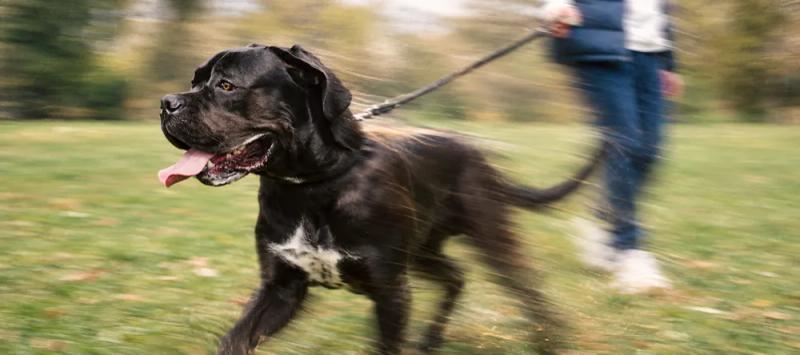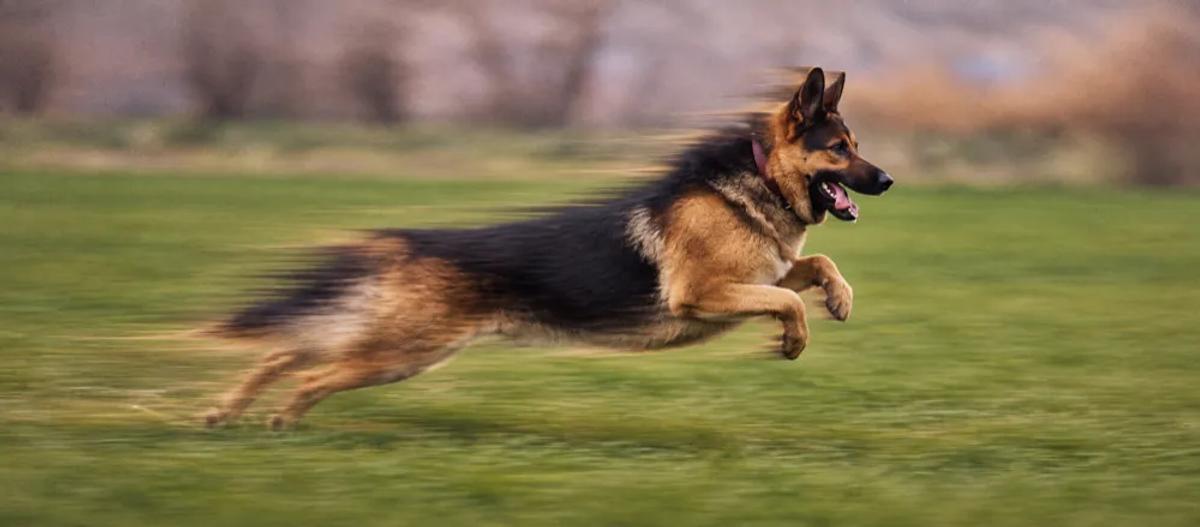
German Shepherd care needs an individual feeding plan, comfortable coat and ear handling, opportunities for learning and attention to changes in movement or digestion. The breed's working-dog description is useful background, but it does not set an exercise target or tell you how your own dog will behave.
Build the routine around your dog's age, health and response. A puppy learning to accept a brush needs patient practice; a dog who has started moving differently needs assessment before a harder activity plan. Everyday observations help you decide which conversation to have with your vet and which parts of home care need support.
Plan for the individual dog
The German Shepherd is described as a large working dog with a medium-length double coat. Prepare to check through that coat and learn the handling your dog finds comfortable. Physical descriptions can help you plan equipment, but the routine still needs to fit the individual animal.
Start with the household. Who will provide outings, and where can the dog rest undisturbed? Consider opportunities for toileting, movement and natural behaviour alongside the practical help available. If you are choosing between breeds, compare large dog care needs before deciding how the responsibilities will be shared.
Give a fearful dog a quiet retreat and avoid forcing greetings. A description of confidence in a breed profile does not cancel fear that you can see in your own dog. Seek advice about concerning behaviour and explain the circumstances, including what happens before the dog tries to withdraw.
Use learning in the everyday routine
Reward-based learning can provide mental stimulation as well as a way to practise useful skills. Choose a manageable part of the task and reward the response you want. The guide to reward-based leash practice develops this approach for walks, including responding gently when the dog pulls.
Method matters to welfare. A 2020 study comparing dogs at different training schools found more stress-related behaviour in the aversive-training group. The dogs were not randomly assigned to schools, and the study was not a test of which method taught a skill fastest. It supports attention to welfare without promising a particular training result.
You can also offer supervised opportunities to sniff and search for food. Start with an achievable search and include the food in the daily allowance. Watch how your dog participates instead of making the activity progressively harder regardless of their response.
Feed for growth and changing needs
Choose a complete and balanced diet suited to your German Shepherd's life stage, health and activity. Ask your vet how to assess body condition and measure the food amount agreed for your dog. Treats contribute to the same feeding picture, including rewards used during practice.
Growth feeding continues until skeletal maturity, which can come later in some large breeds. Avoid excessive calcium intake and discuss when to move to adult food. A feeding decision should reflect the puppy's needs rather than a fixed date borrowed from another household.
For an adult whose weight is changing, review the food and portions together. A nutritionally appropriate weight-loss plan may need more consideration than simply reducing the usual meals. Breed-standard weights are not a substitute for an individual assessment.
Keep fresh, clean water available. If more than one person feeds the dog, agree who measures meals and how rewards are allocated. This practical arrangement makes it easier to explain the full routine when the veterinary team asks what your dog eats.

Check the coat and ears comfortably
Look through the double coat for skin changes, matting, missing fur or injuries. Have abnormalities assessed by a vet, and discuss the right interval for routine care. Unnecessary bathing can harm the skin or coat, so the schedule should serve the dog's needs.
Introduce the brush gradually with rewards. A brief, comfortable touch may be the right place to begin. If your dog freezes, pulls away or shows other stress signals during the task, pause and make the next step smaller. You can ask for help.
A vet, veterinary behaviourist or qualified trainer using humane methods can help when handling has become difficult. Tell them whether the difficulty starts with the tool, the approach or touching a particular area. That is more useful than saying the dog simply refuses grooming.
Check ears for redness, odour, discharge, head shaking or discomfort. These signs can occur with different ear problems, so they need interpretation rather than an assumed diagnosis. Ear checks do not automatically require cleaning, and cleaning too often can irritate healthy ears.
The ear-cleaning preparation guide explains the process when cleaning is appropriate. If cleaning causes pain, stop and consult your vet before continuing. Holding the dog more firmly does not resolve the reason for the discomfort.
Notice changes in movement and digestion
A study using UK veterinary records from 2013 found ear disease, osteoarthritis, digestive problems and weight concerns among commonly recorded German Shepherd conditions. These are historical observations from that population, not an Indian prevalence estimate or a prediction for your dog.
Use the findings to inform useful questions. A changed gait, stiffness, difficulty rising or less willingness to move warrants veterinary discussion. Explain when you see the change and what the dog was doing. You do not need to identify the cause before contacting the practice.
After assessment, weight control and individually chosen low-impact activity may be part of an osteoarthritis plan. Ask what is suitable for your dog and how to review the response. Increasing activity because the breed is described as active could miss the reason movement has become difficult.
Digestive changes deserve attention too. Vomiting, severe diarrhoea, constipation or other clear abnormalities should be checked by a veterinary professional. The breed study does not tell you which condition is responsible, and a food change made on that assumption may leave the actual question unanswered.
PetLife can keep veterinary visit history and weight logs in one place for later discussion. Use the record to bring relevant previous information to the appointment; it does not interpret the symptoms.
If your dog seems unwell or shows unexpected changes in appetite, energy or behaviour, seek veterinary advice promptly. Do not hold a new concern until the annual visit simply because it is already booked.
Frequently asked questions
What should I consider about German Shepherd temperament?
A breed profile describes an ideal or general portrayal, while your dog's responses tell you what needs attention in daily life. Use reward-based learning and avoid forcing a fearful dog into contact with visitors or other worrying situations. Seek professional advice when fear or handling concerns interfere with the routine, rather than expecting the dog to match the description.
Can a breed lifespan figure predict my dog's lifespan?
A lifespan figure from a historical veterinary-record study describes the dogs included in that research; it cannot predict how long your individual German Shepherd will live. A UK study population also does not establish the same outcome for dogs in India today. Focus care decisions on your dog's current health and discuss concerning changes with the veterinary team.
Choose one practical next step
Pick a part of care that needs a clearer plan, such as comfortable ear handling or activity after a mobility assessment. Ask the appropriate professional for help with that specific decision. Nuzzy's PetMap can help you explore local veterinary options; confirm the service and suitability directly with the provider before arranging care.
Sources
AAHA. Age-specific and breed-specific diets. Nutrition and Weight Management Guidelines, 2021.
Cornell University College of Veterinary Medicine. Osteoarthritis. Updated December 2025.
Aly Cohen. Grooming: cooperative care. Cornell Riney Canine Health Center, February 2026.
Cornell University College of Veterinary Medicine. Fearful dogs.
American Kennel Club. German Shepherd Dog breed profile.
AAHA. Changing behaviors. Canine and Feline Behavior Management Guidelines, 2015.
WSAVA. Principles of Wellness. 2025 document.
Aly Cohen. Canine enrichment ideas. Cornell Riney Canine Health Center, July 2023.