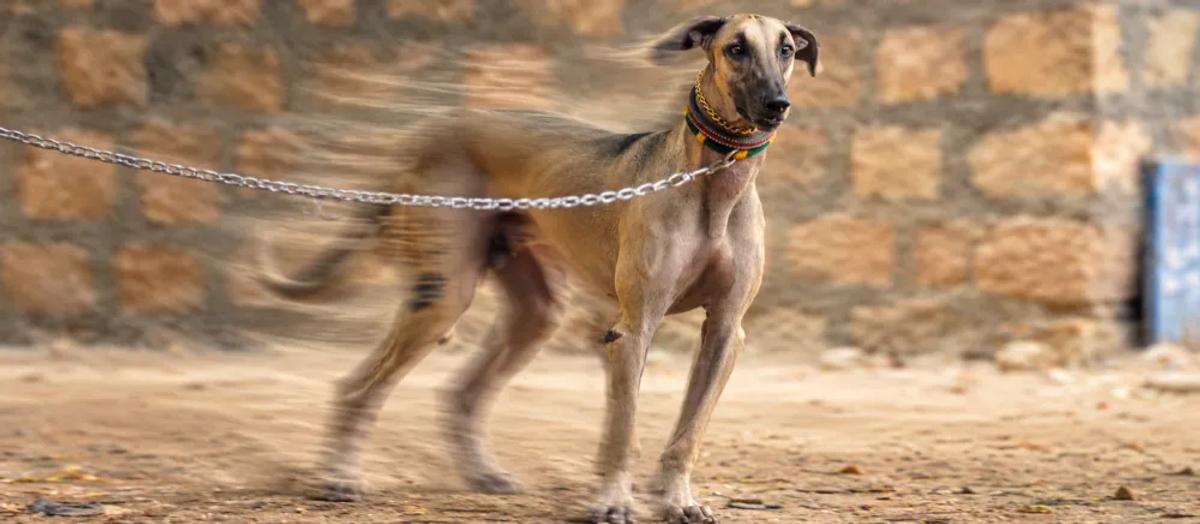
The Chippiparai dog was studied in a field survey in Tirunelveli district, Tamil Nadu. The paper described predominantly fawn, short-coated dogs with broad chests and tucked abdomens. Care at home needs to account for the individual dog's food, physical condition, rest and daily activity. The survey helps explain the physical profile, while veterinary assessment guides the care decisions for your own dog.
The Tirunelveli field survey
The fieldwork took place in November 2013, and the paper was published in 2015. Researchers met 50 pet owners or villagers keeping these dogs in Tirunelveli district. They recorded physical observations and measurements, providing a dated account of the population they examined.
The 50 people interviewed should not be confused with the number of dogs in a measurement table. The adult height-at-withers result, for example, reports 39 observations. Keeping those figures separate preserves what each part of the survey actually describes.
Chippiparai appears in the current official Indian dog-breed register checked in September 2026. The Indian dog breeds and their care guide places the Tirunelveli study beside other selected breed profiles. The field paper describes an earlier study population; the registry check confirms the current listing.
Observed coat, build and adult height
The survey described predominantly fawn coats, with occasional brown or grey dogs. Hair was short and smooth. Other observations included semi-drooping ears, a long neck, a broad chest and a tucked abdomen. These features describe the dogs examined, including some variation within the group.
Adult height at the withers averaged 59.56 cm overall. The table reports 19 males and 20 females, with means of 63.0 cm and 56.3 cm respectively. The researchers defined the measurement as the distance from the ground to the withers with the dog standing. That is different from measuring to the top of the head.
The overall mean summarises those 39 observations; it is not a minimum or maximum. Nor are the two sex-specific means the endpoints of a single breed range. If you write down a figure from the study, keep its label with it so that a sample average does not become a target for an individual dog.
The Rajapalayam coat observations offer a useful comparison with another Tamil Nadu profile. That study described predominantly white coats, while the Chippiparai paper described predominantly fawn. Both reported short, smooth hair and tucked abdomens. The comparison can help you understand the descriptions without using colour or outline to certify identity or predict health.
Use condition to guide feeding
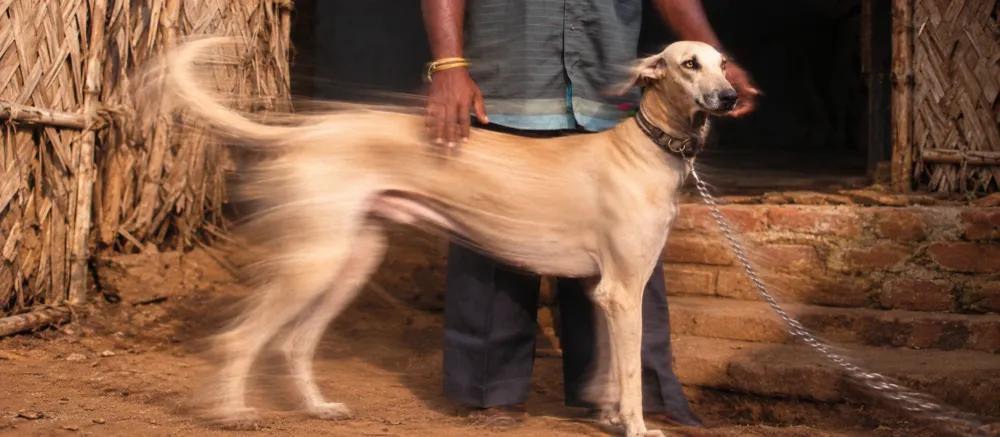
A tucked body outline and a nutritional assessment answer different questions. The outline appears in the study's physical description. A feeding decision needs the individual dog's weight, body condition, muscle condition and other needs considered together. Looking like a photograph from a paper does not complete that assessment.
Body condition concerns fat, while muscle condition concerns muscle mass. Your vet may look and feel as part of assessing them, alongside recording weight. Ask what the findings mean for your dog's present condition and how they will be reviewed. You don’t need to copy another dog’s appearance.
Choose a complete, balanced diet appropriate to the dog's life stage and circumstances. Food type and amount should match individual needs. A diet marketed for a breed still has to be judged by its nutrient profile and its suitability for the dog eating it, rather than accepted because the name seems to match.
Bring the whole feeding routine into the review. Include the main meals, treats, table food and anything regularly supplied by other people. Explain who feeds the dog and where feeding takes place. Those details accompany the ingredients and amounts; they are part of describing how the plan works at home.
For example, a person who gives food during practice may know a part of the routine that the person serving dinner does not see. Include both accounts. The purpose is to describe the food actually offered before deciding on changes, with the full intake accounted for.
Review the plan with your vet as the dog's condition or needs change. A previous food amount can be reconsidered in that context.
Arrange rest and reward-based activity
Provide a comfortable place to rest, together with opportunities for movement, toileting, exploration, play and mental activity. Consider these needs across the ordinary day. A quiet resting arrangement and an opportunity to explore offer different things, so include both when reviewing the environment.
Discuss the individual dog's activity with your veterinary team. The guide to planning everyday dog exercise explores activity and enrichment choices in more detail.
Use reward-based learning and nonaversive handling. Decide which behaviour you are encouraging, then recognise that response when it occurs. A familiar behaviour can give you a straightforward starting point. The aim is to work with an observable action, without turning learning into a general demand to be obedient.
Make room for rewarding experiences alongside movement and rest. If care is shared, agree on what each person will do so the plan can be carried out in the household. It can include opportunities to explore as well as deliberate practice of a behaviour.
Behaviour concerns belong in veterinary assessment. Describe the action and the setting instead of attributing the answer to the breed before the dog has been assessed. That keeps the discussion about the individual animal and the circumstances you have actually observed.
Inspect the coat and discuss changes
Look through the coat and at the skin regularly. Check for matting, areas of missing fur, injuries or other abnormalities, and have concerning findings examined by a vet. Look beneath the short hair too.
Discuss the appropriate cleaning and care interval for your dog's coat and skin. Include what you currently do, so the advice can address the actual routine. Bathing too frequently can harm the coat or skin; the interval should therefore suit the individual animal rather than follow a universal breed calendar.
Raise concerning physical or behavioural changes with the veterinary team. Regular check-ups can review health and nutritional status together, with the visit plan adapted to your dog's needs. Describe a change plainly and leave the diagnosis to the assessment.
PetLife supports weight logs and vet visit history. Keep those records together for the next care review, particularly when looking back at how recorded weights or the agreed feeding plan have changed. The next step should follow the advice given for your dog.
Frequently asked questions
Where was the Chippiparai field survey conducted?
The researchers carried out fieldwork in Tirunelveli district, Tamil Nadu, in November 2013. The paper was published in 2015 and reports meeting 50 pet owners or villagers.
How tall were adult Chippiparai dogs in the field survey?
Mean adult height at the withers was 59.56 cm across 39 observations. The sex-specific means were 63.0 cm for 19 males and 56.3 cm for 20 females, describing that sample rather than a universal standard.
Sources
- ICAR-NBAGR. Geese, Duck & Dog Breeds of India. Dog registry checked September 2026.
- Raja KN et al. Phenotypic characterization of Rajapalayam dog of Southern India. Indian Journal of Animal Sciences, 2017;87(4):447 to 451.
- Freeman L et al. WSAVA Nutritional Assessment Guidelines. Journal of Feline Medicine and Surgery, 2011;13(7):516 to 525.
- Hammerle M et al. 2015 AAHA Canine and Feline Behavior Management Guidelines. Journal of the American Animal Hospital Association, 2015;51:205 to 221.
- Karthickeyan SMK et al. Chippiparai breed of dogs in Tamil Nadu: An assessment of physical and performance characteristics. The Indian Journal of Veterinary Sciences and Biotechnology, 2015;10(3):45 to 49.
- WSAVA. Principles of Wellness. 2025.
- AAHA. Age-specific and Breed-specific Diets. Nutrition and Weight Management Guidelines, 2021.