For most dogs, cooked eggs are fine in moderation and a small spoon of plain curd usually is too. Milk is the one to be careful with, since a lot of adult dogs do not digest it well, and cheese and paneer work only as small, occasional treats once you account for the fat and salt. As with every extra, keep the portions small and let the balanced diet do the real work.
Eggs: cook them
A cooked egg, boiled or plainly scrambled with no oil, butter or salt, is a good and digestible source of protein for most dogs in moderation. The one thing to get right is that it is cooked rather than raw. Raw eggs, like other raw animal foods, carry a risk of bacterial contamination, and cooking clears that worry. A cooked egg also sidesteps the old debate about raw egg white, so there is no real reason to feed egg raw.
As for how much, part of an egg a few times a week is plenty for a medium dog, offered as a treat rather than a whole egg every day on top of full meals. Boiled is the cleanest way to serve it, and if you scramble it, keep the pan dry with nothing added. A large dog can handle a little more than a small one, though egg stays a treat either way.
Egg shells sometimes get suggested as a calcium source, but that only works inside a properly worked-out home recipe, since too much calcium brings its own problems. If you are building a home diet, work out the calcium with your vet.
Curd, milk, cheese and paneer: the lactose question
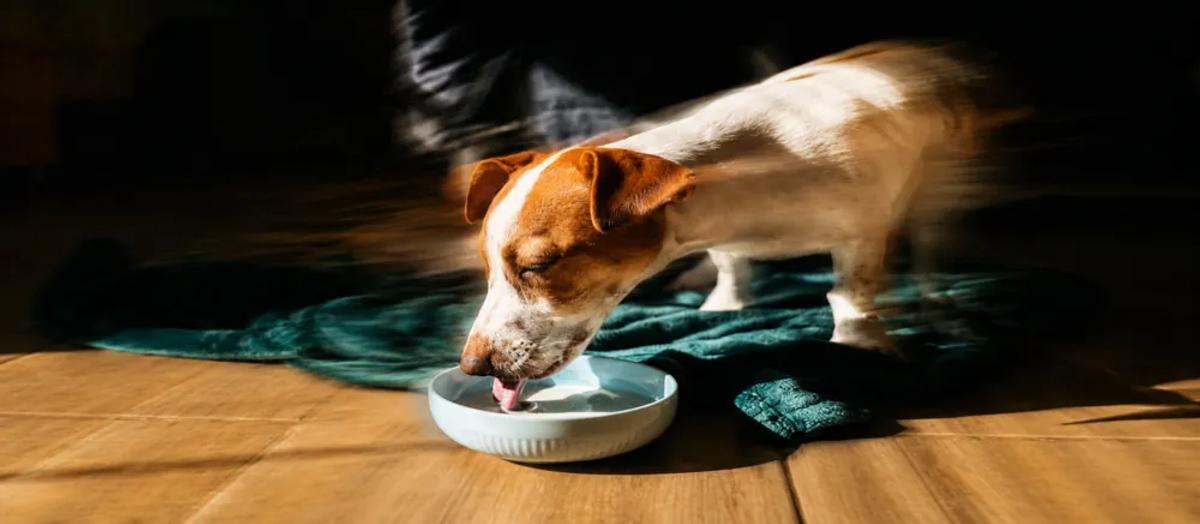
Puppies are built to digest their mother's milk. As dogs grow up, many become less able to handle lactose, the sugar in milk, which is why a bowl of milk leaves a lot of adult dogs with loose stools, gas or a generally upset stomach.
- Curd (dahi): usually the easiest of the lot. Fermenting lowers the lactose, so a small spoon of plain curd sits well with many dogs. Keep it plain, with no sugar and no masala chaas.
- Paneer and cheese: small amounts are okay as an occasional treat, but both are high in fat, and cheese is often salty, so think one small cube rather than a handful. Skip processed cheese slices and anything heavily salted.
- Ghee and butter: not toxic, but they are pure fat, so a smear does nothing useful and a lot can upset the stomach or, over time, pile on weight.
- Plain milk: the one to go easy on. If you want to offer it, start with a tiny amount and watch how your dog does. Loose stools mean they are better off without it.
None of this is essential to a dog's diet. Dairy is a treat some dogs enjoy and tolerate, and that is all it is.
Signs a food has not agreed with your dog
Whenever you bring in something new, whether it is egg, curd or cheese, keep an eye on the next day or so. Loose stools, more gas than usual, or a bit of vomiting are the common signs that a food did not sit well. None of that is usually an emergency, but it is your cue to drop that food and go back to what works. If dairy keeps upsetting your dog, they are better off without it.
How much is too much
Eggs, curd and cheese all count toward the roughly 10 percent of the day that vets keep for treats and extras. Past that, you are eating into the balanced part of the diet, and the fat in cheese and paneer adds up fast for a smaller dog. When in doubt, keep the portion small and the frequency low.
Frequently asked questions
Can dogs eat curd every day?
A small spoon of plain curd suits many dogs, and daily is okay if your dog tolerates it well and it stays within the treat share of the diet. Stop if it causes loose stools, and never add sugar.
Can dogs drink milk?
Some can, many cannot. A lot of adult dogs do not digest lactose well and get an upset stomach from milk. If you want to try, offer a very small amount and watch. Curd is usually the safer dairy choice.
How many eggs can a dog eat in a week?
There is no single number, since it depends on your dog's size and the rest of their diet, but a few small servings across the week is a sensible treat level for a medium dog. Keep eggs as one of the small extras on top of a balanced diet.
Can dogs eat paneer?
In small amounts, plain and unsalted, as an occasional treat. Paneer is high in fat, so keep the portion small, especially for an overweight dog.
Can puppies eat eggs and curd?
In small amounts, usually yes, but a growing puppy's main diet needs to be a complete puppy food, so keep eggs and curd to occasional tiny treats and check with your vet if you are unsure.
The bottom line
Cooked eggs, a spoon of plain curd, and small bits of cheese or paneer are fine treats for most dogs, while plain milk is the one to be cautious with. Keep all of it small, plain and inside the treat share of a balanced diet. If you are working eggs and dairy into home-cooked meals rather than handing them out as treats, the homemade food guide covers how to keep the whole bowl balanced.
Sources
WSAVA Global Nutrition Committee: FAQ and Myths. World Small Animal Veterinary Association (a complete and balanced diet as the foundation; the documented bacterial-contamination risk of raw animal foods; calcium and supplement cautions).
WSAVA Global Nutrition Guidelines. World Small Animal Veterinary Association (treats and extras about 10 percent of daily calories; body condition as the guide to how much to feed).